

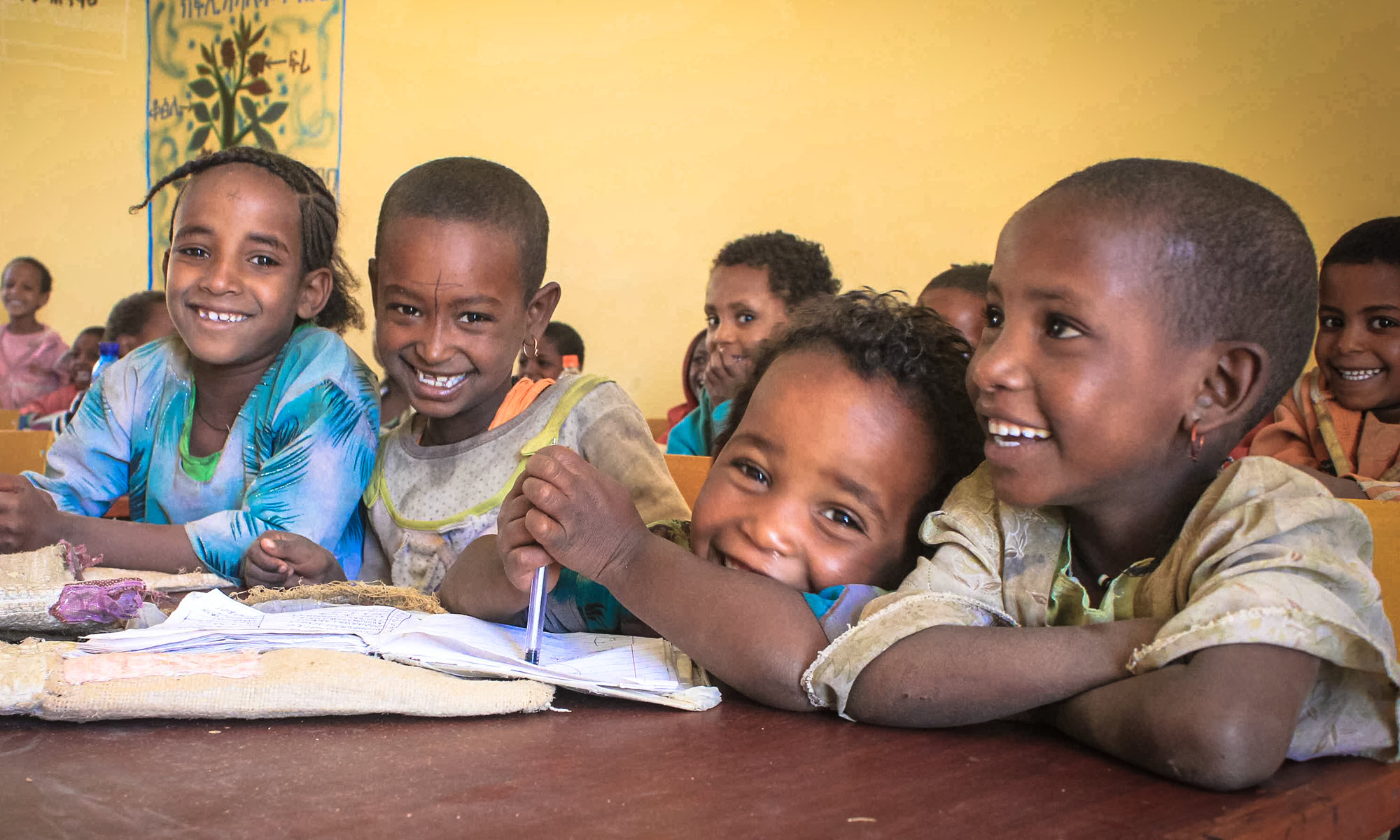
Somaliland
Where We Work
Our goal is to ensure every child, no matter where they live, has the opportunity to read, learn, and grow.
Our Work in Somaliland
In Somaliland, The Library Project provides free Literacy Programs and Book Donations to rural elementary and high schools. These programs support children and youth living in rural communities by expanding access to books, strengthening reading opportunities, and helping students build the literacy skills they need to continue learning.
Our Book Donations support both school libraries and classroom libraries, helping schools provide students with age-appropriate reading materials in accessible learning spaces. These donations help create more opportunities for students to read independently, build confidence, and develop stronger reading habits.
The Library Project also provides Capacity Building for local literacy nonprofit organizations in Somaliland. This support is free of charge and may include one-on-one mentoring, planning tools, fundraising guidance, program development support, and access to practical resources. By strengthening local organizations, we help build long-term, community-led literacy impact.
Literacy in Somaliland
Somaliland faces significant challenges in expanding access to education and strengthening literacy. UNICEF reports that 24 percent of school-age children in Somaliland, ages 6 to 18, are out of school. Education Cannot Wait has also reported that the literacy rate among school children aged 6 to 13 is 42 percent, while adult literacy is estimated at 31 percent.
Children in rural communities often face additional barriers to education, including poverty, long distances to school, limited learning materials, and the cost of schooling for families. UNICEF has noted that many children in rural Somaliland are unable to attend school, and that hundreds of thousands of children remain out of school across Somaliland.
Reading is the foundation for learning across all subjects. When students struggle to read, they are more likely to fall behind, lose confidence, and face greater barriers to continuing their education. In Somaliland, access to books, literacy programs, and locally led education support is especially important for children and youth in rural communities.
The Library Project’s work in Somaliland responds to this need by supporting rural schools with free Literacy Programs and Book Donations, while also strengthening local literacy nonprofit organizations through Capacity Building. Together, these efforts help create more reading opportunities for students and support long-term, community-led literacy impact.
Somaliland
Our Work:
- Libraries
- Literacy Programs
- Training & Support
- Capacity Building
Support Children's Literacy Today.
Millions of children attend schools without libraries or access to quality books.

Somalia
Where We Work
Our goal is to ensure every child, no matter where they live, has the opportunity to read, learn, and grow.
Our Work in Somalia
In Somalia, The Library Project provides free Literacy Programs and Book Donations to rural elementary and high schools. These programs support children and youth living in rural communities by expanding access to books, strengthening reading opportunities, and helping students build the literacy skills they need to continue learning.
Our Book Donations support both school libraries and classroom libraries, helping schools provide students with age-appropriate reading materials in accessible learning spaces. These donations help create more opportunities for students to read independently, build confidence, and develop stronger reading habits.
The Library Project also provides Capacity Building for local literacy nonprofit organizations in Somalia. This support is free of charge and may include one-on-one mentoring, planning tools, fundraising guidance, program development support, and access to practical resources. By strengthening local organizations, we help build long-term, community-led literacy impact.
Literacy in Somalia
Somalia faces a significant literacy and education challenge. More than three million children in Somalia are out of school, and many families face barriers such as poverty, long distances to school, safety concerns, limited teachers, and the cost of education. Children in rural, nomadic, displaced, and crisis-affected communities often face even greater challenges in accessing consistent learning opportunities.
For students who are able to attend school, learning conditions can still be difficult. Classrooms are often overcrowded, trained teachers and school books can be limited, and conflict and climate-related emergencies continue to disrupt education. These challenges make it harder for children to develop the foundational reading skills they need to succeed in school.
Reading is the foundation for learning across all subjects. When students struggle to read, they are more likely to fall behind, lose confidence, and face greater barriers to continuing their education. In Somalia, access to books, literacy programs, and locally led education support is especially important for children and youth in rural communities.
The Library Project’s work in Somalia responds to this need by supporting rural schools with free Literacy Programs and Book Donations, while also strengthening local literacy nonprofit organizations through Capacity Building. Together, these efforts help create more reading opportunities for students and support long-term, community-led literacy impact.
Somalia
Our Work:
- Libraries
- Literacy Programs
- Training & Support
- Capacity Building
Support Children's Literacy Today.
Millions of children attend schools without libraries or access to quality books.
Ethiopia
Where We Work
Our goal is to ensure every child, no matter where they live, has the opportunity to read, learn, and grow.
Our Work in Ethiopia
In Ethiopia, The Library Project provides free Literacy Programs and Book Donations to rural elementary and high schools. These programs support children and youth living in rural communities by expanding access to books, strengthening reading opportunities, and helping students build the literacy skills they need to continue learning.
Our Book Donations support both school libraries and classroom libraries, helping schools provide students with age-appropriate reading materials in accessible learning spaces. These donations help create more opportunities for students to read independently, explore new ideas, and develop stronger reading habits.
The Library Project also provides Capacity Building for local literacy nonprofit organizations in Ethiopia. This support is free of charge and may include one-on-one mentoring, planning tools, fundraising guidance, program development support, and access to practical resources. By strengthening local organizations, we help build long-term, community-led literacy impact.
Literacy in Ethiopia
Ethiopia faces a significant literacy and learning challenge. According to the World Bank and UNESCO Institute for Statistics, 90 percent of children in Ethiopia at late primary age are not proficient in reading, after adjusting for children who are out of school. The same brief reports that 89 percent of students do not reach minimum reading proficiency by the end of primary school, and 15 percent of primary school-aged children are not enrolled in school.
UNICEF Ethiopia reports that while the country has made progress toward universal primary education, many children do not continue through the education system, with only 33.1 percent making it to secondary school. UNICEF also reports that the likelihood of children going to school, staying in school, and performing well is significantly lower in rural settings.
Reading is the foundation for learning across all subjects. When students struggle to read, they are more likely to fall behind, lose confidence, and face greater barriers to continuing their education. In Ethiopia, this makes access to books, literacy programs, and locally led education support especially important.
The Library Project’s work in Ethiopia responds to this need by supporting rural schools with free Literacy Programs and Book Donations, while also strengthening local literacy nonprofit organizations through Capacity Building. Together, these efforts help create more reading opportunities for students and support long-term, community-led literacy impact.
Ethiopia
Our Work:
- Libraries
- Literacy Programs
- Training & Support
- Capacity Building
Support Children's Literacy Today.
Millions of children attend schools without libraries or access to quality books.
Tanzania
Where We Work
Our goal is to ensure every child, no matter where they live, has the opportunity to read, learn, and grow.
Our Work in Tanzania
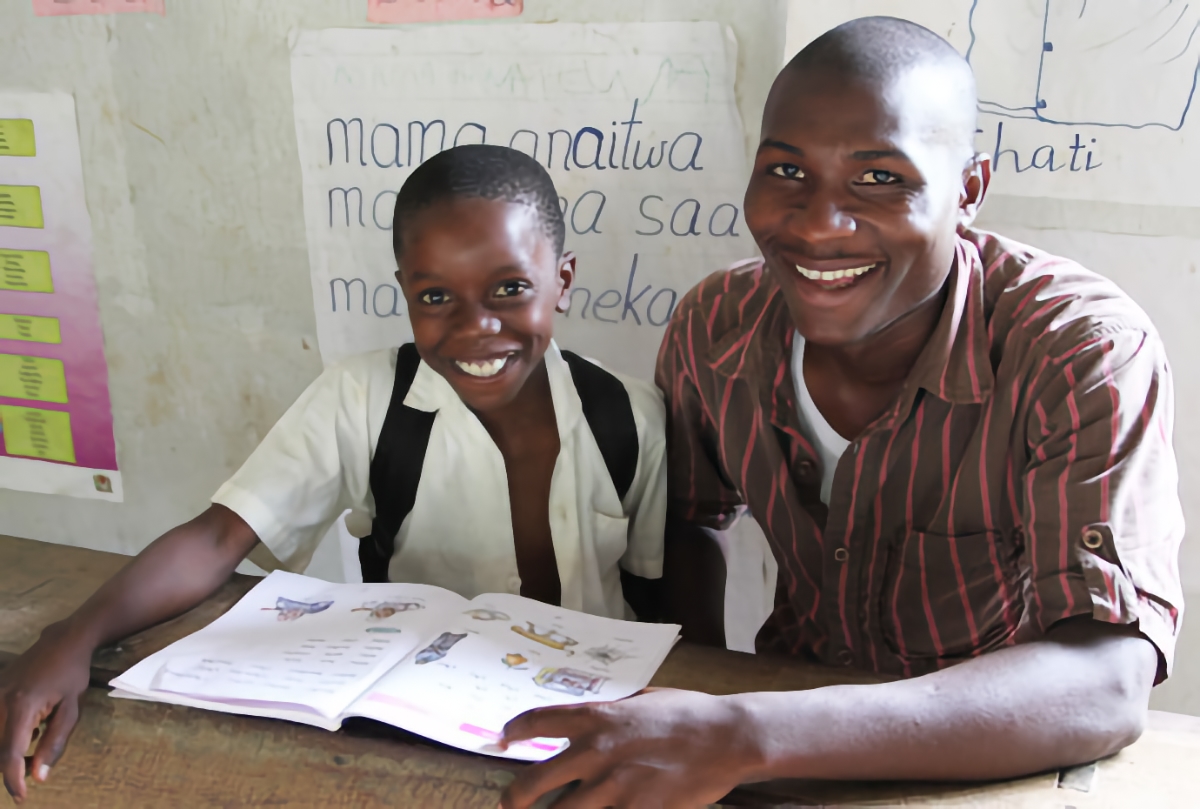
In Tanzania, The Library Project provides free Literacy Programs and Remedial Reading Lessons for students living in rural communities. These programs support children and youth from kindergarten through high school who are struggling with reading and are at risk of falling behind or dropping out of school.
Our remedial reading lessons give students extra time, guidance, and encouragement to strengthen foundational literacy skills. For $35, one student can receive six months of remedial reading support. To date, 100 percent of participating students have improved their reading skills through this program.
The Library Project also provides Capacity Building for local literacy nonprofit organizations in Tanzania. This support is free of charge and include one-on-one mentoring, planning tools, fundraising guidance, program development support, and access to practical resources. By strengthening local organizations, we help build long-term, community-led literacy impact.
Through direct literacy support for students and Capacity Building for local nonprofit partners, The Library Project helps rural children and youth in Tanzania improve their reading skills, stay engaged in school, and continue their education with greater confidence.
Literacy in Tanzania
Many children and youth in Tanzania face barriers to developing strong reading skills, especially in rural communities where access to learning support, books, and educational resources may be limited. UNICEF notes that education efforts in Tanzania must continue to focus on reaching the most vulnerable children and adolescents, including children in and out of school.
Reading is the foundation for learning across all subjects. When students struggle to read, they are more likely to fall behind in class, lose confidence, and face greater risk of leaving school before completing their education.
The Library Project’s work in Tanzania responds to this need by providing free literacy programs and remedial reading lessons for students at risk of dropping out. These programs help students rebuild core reading skills, reconnect with learning, and continue their education with greater confidence.
Tanzania
Our Work:
- Remedial Reading Lessons
- Literacy Programs
- Training & Support
- Capacity Building
Support Children's Literacy Today.
Millions of children attend schools without libraries or access to quality books.

Country Template
Where We Work
Our goal is to ensure every child, no matter where they live, has the opportunity to read, learn, and grow.
Our Work in Madagascar
In Madagascar, The Library Project supports small local nonprofit organizations working to improve children’s literacy. We provide practical support, mentoring, and access to tools that help organizations strengthen their programs, communicate their work, and better serve the communities they support.
Local nonprofit organizations play an important role in expanding access to literacy resources, especially in communities where children have limited access to books, reading support, and educational opportunities. By strengthening these organizations, The Library Project helps build local capacity for long-term literacy impact.
Capacity Building allows local leaders to improve their programs, reach more children, and create stronger systems for delivering literacy support. This work helps ensure that organizations dedicated to children’s literacy have the guidance and resources they need to continue serving their communities. This support is always free of charge for the local nonprofit organization. It includes one-on-one mentoring, planning tools, fundraising guidance, program development support, and access to resources designed to help literacy organizations grow stronger and more sustainable.
Literacy in Madagascar
Madagascar faces a significant literacy and learning challenge. According to the World Bank and UNESCO Institute for Statistics, 95 percent of children in Madagascar at late primary age are not proficient in reading, and nearly one quarter of primary school-aged children are not enrolled in school. UNICEF also reports that only one out of three children in Madagascar completes primary education.
Reading is the foundation for learning across all subjects. When children do not develop strong reading skills, they are more likely to fall behind, lose confidence, and face greater barriers to continuing their education.
In Madagascar, local literacy organizations play an important role in responding to these challenges. The Library Project supports this work by providing free Capacity Building to small local nonprofit organizations. Through one-on-one mentoring, planning tools, fundraising guidance, program development support, and practical resources, we help local literacy organizations strengthen their programs and reach more children over time.
Madagascar
The Library Project supports local literacy organizations in Madagascar through capacity-building, mentoring, and program resources.
Our Work:
- Libraries
- Literacy Programs
- Training & Support
- Capacity Building

Support Children's Literacy Today.
Millions of children attend schools without libraries or access to quality books.
Madagascar
Where We Work
Our goal is to ensure every child, no matter where they live, has the opportunity to read, learn, and grow.
Our Work in Madagascar
In Madagascar, The Library Project supports small local nonprofit organizations working to improve children’s literacy. We provide practical support, mentoring, and access to tools that help organizations strengthen their programs, communicate their work, and better serve the communities they support.
Local nonprofit organizations play an important role in expanding access to literacy resources, especially in communities where children have limited access to books, reading support, and educational opportunities. By strengthening these organizations, The Library Project helps build local capacity for long-term literacy impact.
Capacity Building allows local leaders to improve their programs, reach more children, and create stronger systems for delivering literacy support. This work helps ensure that organizations dedicated to children’s literacy have the guidance and resources they need to continue serving their communities. This support is always free of charge for the local nonprofit organization. It includes one-on-one mentoring, planning tools, fundraising guidance, program development support, and access to resources designed to help literacy organizations grow stronger and more sustainable.
Literacy in Madagascar
Madagascar faces a significant literacy and learning challenge. According to the World Bank and UNESCO Institute for Statistics, 95 percent of children in Madagascar at late primary age are not proficient in reading, and nearly one quarter of primary school-aged children are not enrolled in school. UNICEF also reports that only one out of three children in Madagascar completes primary education.
Reading is the foundation for learning across all subjects. When children do not develop strong reading skills, they are more likely to fall behind, lose confidence, and face greater barriers to continuing their education.
In Madagascar, local literacy organizations play an important role in responding to these challenges. The Library Project supports this work by providing free Capacity Building to small local nonprofit organizations. Through one-on-one mentoring, planning tools, fundraising guidance, program development support, and practical resources, we help local literacy organizations strengthen their programs and reach more children over time.
Madagascar
Our Work:
- Capacity Building
Support Children's Literacy Today.
Millions of children attend schools without libraries or access to quality books.
Nigeria
Where We Work
Our goal is to ensure every child, no matter where they live, has the opportunity to read, learn, and grow.
Our Work in Nigeria
In Nigeria, The Library Project supports small local nonprofit organizations working to improve children’s literacy. We provide practical support, mentoring, and access to tools that help organizations strengthen their programs, communicate their work, and better serve the communities they support.
Local nonprofit organizations play an important role in expanding access to literacy resources, especially in communities where children have limited access to books, reading support, and educational opportunities. By strengthening these organizations, The Library Project helps build local capacity for long-term literacy impact.
Capacity Building allows local leaders to improve their programs, reach more children, and create stronger systems for delivering literacy support. This work helps ensure that organizations dedicated to children’s literacy have the guidance and resources they need to continue serving their communities. This support is always free of charge for the local nonprofit organization. It includes one-on-one mentoring, planning tools, fundraising guidance, program development support, and access to resources designed to help literacy organizations grow stronger and more sustainable.
Literacy in Nigeria
Nigeria faces a serious literacy and learning challenge. UNICEF reports that 10.2 million children of primary school age and 8.1 million children of junior secondary school age are out of school. UNICEF also reports that 74 percent of children aged 7 to 14 lack basic reading and math skills.
Reading is the foundation for learning across all subjects. When children do not develop strong reading skills, they are more likely to fall behind, lose confidence, and face greater barriers to continuing their education.
In Nigeria, local literacy organizations play an important role in responding to these challenges. The Library Project supports this work by providing free Capacity Building to small local nonprofit organizations. Through one-on-one mentoring, planning tools, fundraising guidance, program development support, and practical resources, we help local literacy organizations strengthen their programs and reach more children over time.
Nigeria
Our Work:
- Capacity Building
Support Children's Literacy Today.
Millions of children attend schools without libraries or access to quality books.
Democratic Republic of the Congo
Where We Work
Our goal is to ensure every child, no matter where they live, has the opportunity to read, learn, and grow.
Our Work in the Democratic Republic of the Congo
In the Democratic Republic of the Congo, The Library Project supports small local nonprofit organizations working to improve children’s literacy. We provide practical support, mentoring, and access to tools that help organizations strengthen their programs, communicate their work, and better serve the communities they support.
Local nonprofit organizations play an important role in expanding access to literacy resources, especially in communities where children have limited access to books, reading support, and educational opportunities. By strengthening these organizations, The Library Project helps build local capacity for long-term literacy impact.
Capacity Building allows local leaders to improve their programs, reach more children, and create stronger systems for delivering literacy support. This work helps ensure that organizations dedicated to children’s literacy have the guidance and resources they need to continue serving their communities. This support is always free of charge for the local nonprofit organization. It includes one-on-one mentoring, planning tools, fundraising guidance, program development support, and access to resources designed to help literacy organizations grow stronger and more sustainable.
Literacy in the Democratic Republic of the Congo
The Democratic Republic of the Congo faces a significant literacy and learning challenge. UNESCO’s International Institute for Capacity Building in Africa reports that learning poverty in the country is estimated at 97 percent, meaning that most children are unable to read and understand an age-appropriate text by age 10. The World Bank also notes that many schools face challenges related to overcrowded classrooms, limited teaching and learning materials, and the need for more qualified teachers.
Reading is the foundation for learning across all subjects. When children do not develop strong reading skills, they are more likely to fall behind, lose confidence, and face greater barriers to continuing their education.
In the Democratic Republic of the Congo, local literacy organizations play an important role in responding to these challenges. The Library Project supports this work by providing free Capacity Building to small local nonprofit organizations. Through one-on-one mentoring, planning tools, fundraising guidance, program development support, and practical resources, we help local literacy organizations strengthen their programs and reach more children over time.
Democratic Republic of the Congo
Our Work:
- Capacity Building
Support Children's Literacy Today.
Millions of children attend schools without libraries or access to quality books.

Indonesia
Where We Work
Our goal is to ensure every child, no matter where they live, has the opportunity to read, learn, and grow.
Our Work in Indonesia
In Indonesia, The Library Project provides free Reading Rooms, Reading Corners, Book Donations, and Literacy Programs to rural schools and community centers. These programs increase access to age-appropriate books and reading spaces while helping children develop stronger literacy skills and reading habits.
We also provide Remedial Reading Lessons for marginalized children and youth who need additional support in developing foundational reading skills. Training & Support helps educators and community-based partners strengthen literacy programming and create more effective opportunities for children to read and learn.
The Library Project also provides Capacity Building for local literacy nonprofit organizations in Indonesia. This support is free of charge and may include one-on-one mentoring, planning tools, fundraising guidance, program development support, and access to practical resources. By strengthening local organizations, we help build long-term, community-led literacy impact.
Literacy in Indonesia
Indonesia has made substantial progress in expanding access to education, but many children continue to struggle with reading. The World Bank and UNESCO Institute for Statistics estimate that 53 percent of children at late-primary age are not proficient in reading, after adjusting for children who are out of school. The estimate is based on the latest internationally comparable data available before the COVID-19 school closures.
More recent international assessment results point to continuing challenges among older students. In PISA 2022, only 25 percent of Indonesian 15-year-olds reached at least the baseline level of proficiency in reading. At this level, students should be able to identify the main idea in a moderately long text, locate information, and reflect on a text’s purpose and form.
The challenges can be particularly severe in rural and remote communities. UNICEF research in targeted districts of the Papua provinces found that between 12 and 69 percent of Grade 3 students were non-readers before literacy interventions were introduced. More broadly, UNICEF reports that around 4.3 million Indonesian children and adolescents ages 7 to 18 remain out of school, with poor children, children with disabilities, and those living in less-developed parts of the country at greatest risk of exclusion.
The Library Project’s work in Indonesia responds to these needs by expanding access to books and reading spaces in rural communities, providing Literacy Programs and Remedial Reading Lessons, strengthening educators through Training & Support, and building the capacity of local literacy nonprofit organizations.
Indonesia
Our Work:
- Libraries
- Literacy
- Training & Support
- Capacity Building
Support Children's Literacy Today.
Millions of children attend schools without libraries or access to quality books.

Myanmar
Where We Work
Our goal is to ensure every child, no matter where they live, has the opportunity to read, learn, and grow.
Our Work in Myanmar
In Myanmar, The Library Project provides free Reading Rooms, Reading Corners, Book Donations, and Literacy Programs to rural schools and community centers. These programs expand access to books and welcoming reading spaces while helping children and youth strengthen the literacy skills they need to continue learning.
We also provide Remedial Reading Lessons for marginalized children and youth who need additional support in developing foundational reading skills. Training & Support helps educators and community-based partners strengthen literacy programming and make more effective use of books and reading activities.
The Library Project also provides Capacity Building for local literacy nonprofit organizations in Myanmar. This support is free of charge and may include one-on-one mentoring, planning tools, fundraising guidance, program development support, and access to practical resources. By strengthening local organizations, we help build long-term, community-led literacy impact.
Literacy in Myanmar
Years of conflict, displacement, economic hardship, and natural disasters have severely disrupted education in Myanmar. UNICEF currently estimates that around 3.5 million children are out of school or learning, representing nearly 20 percent of the country’s child population. Approximately 60 percent of out-of-school children are ages 15 to 17, placing many adolescents at risk of entering adulthood without completing their education.
The challenges are particularly severe for vulnerable children. UNICEF reports that approximately two-thirds of children with disabilities are out of school, while teacher shortages exceed 50 percent. Conflict has also resulted in attacks on schools and repeated interruptions to learning. The March 2025 earthquake created an additional setback, damaging or destroying more than 2,500 schools and learning facilities.
For children whose education has been interrupted, access to books, community-based learning opportunities, and targeted literacy support can help maintain connections to learning and rebuild foundational skills. Remedial instruction is especially important for children and youth who have fallen behind or have spent extended periods outside formal education.
The Library Project’s work in Myanmar responds to these needs through Reading Rooms, Reading Corners, Book Donations, Literacy Programs, Remedial Reading Lessons, and Training & Support, while strengthening local literacy nonprofit organizations through Capacity Building.
Myanmar
Our Work:
- Remedial reading Lessons
- Literacy Programs
- Training & Support
- Capacity Building