

Laos
Where We Work
Our goal is to ensure every child, no matter where they live, has the opportunity to read, learn, and grow.
Our Work in Laos
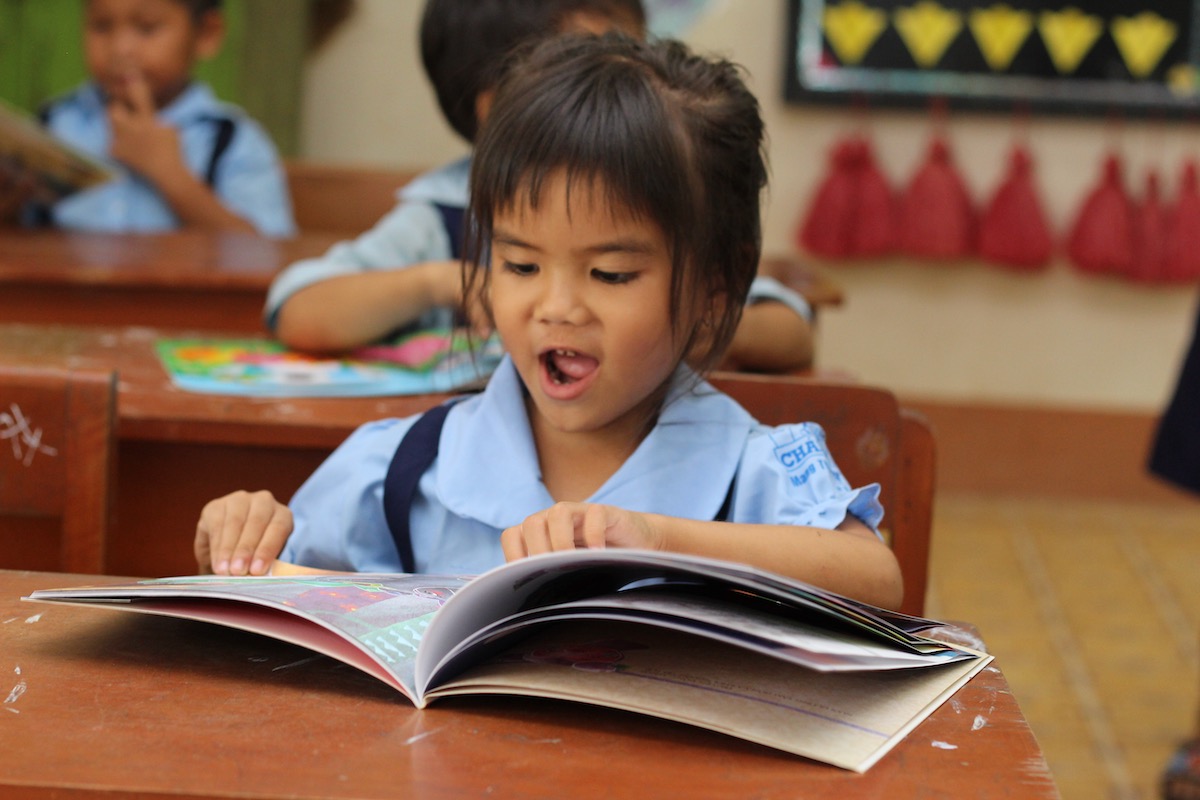
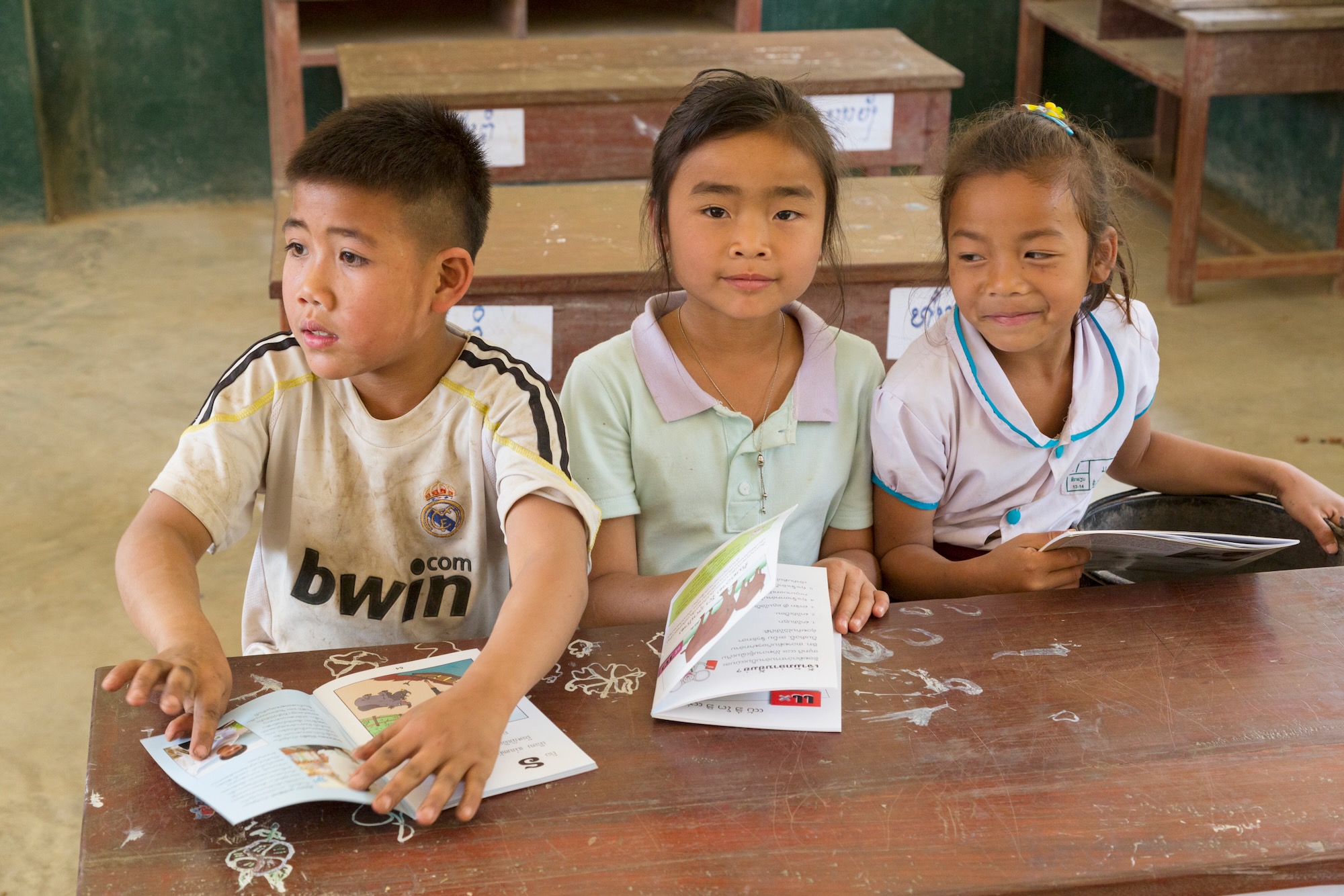
In Laos, The Library Project provides Reading Rooms, Reading Corners, Book Donations, and Literacy Programs to rural schools and community centers. These programs increase children’s access to books, create more opportunities for regular reading, and help students strengthen foundational literacy skills.
Our Reading Rooms provide dedicated spaces where children can explore books and develop stronger reading habits. Reading Corners bring age-appropriate books directly into classrooms and other learning spaces, while Book Donations strengthen existing collections. Literacy Programs and Training & Support help schools and community-based partners create stronger environments for reading and learning.
The Library Project also provides Capacity Building for local literacy nonprofit organizations in Laos. This support is free of charge and may include one-on-one mentoring, planning tools, fundraising guidance, program development support, and access to practical resources. By strengthening local organizations, we help build long-term, community-led literacy impact.
Literacy in Laos
Laos has expanded access to education substantially, but many children are still not developing strong foundational reading skills. UNICEF’s latest education data indicate that only around one in five students can read at the expected level by Grade 3. UNICEF describes the situation as an education-quality crisis in which increased enrollment has not consistently translated into strong learning outcomes.
Where a child lives and the language spoken at home can have an important influence on learning. Children from different ethnolinguistic groups—particularly those living in highland communities who do not speak Lao at home—face additional language barriers that contribute to lower foundational reading and numeracy skills. Geography and household socioeconomic circumstances can further widen these differences.
Challenges also increase as children grow older. UNICEF estimates that close to 450,000 secondary-school-age children are out of school. Rural and remote communities can face particular difficulties maintaining access to quality education, trained educators, learning materials, and opportunities for continued reading.
The Library Project’s work in Laos responds to these needs by increasing access to books and reading spaces in rural communities, supporting Literacy Programs, strengthening educators and local partners through Training & Support, and building the capacity of local literacy nonprofit organizations.
Laos
Our Work:
- Libraries
- Literacy
- Training & Support
- Capacity Building
Support Children's Literacy Today.
Millions of children attend schools without libraries or access to quality books.

Thailand
Where We Work
Our goal is to ensure every child, no matter where they live, has the opportunity to read, learn, and grow.
Our Work in Thailand
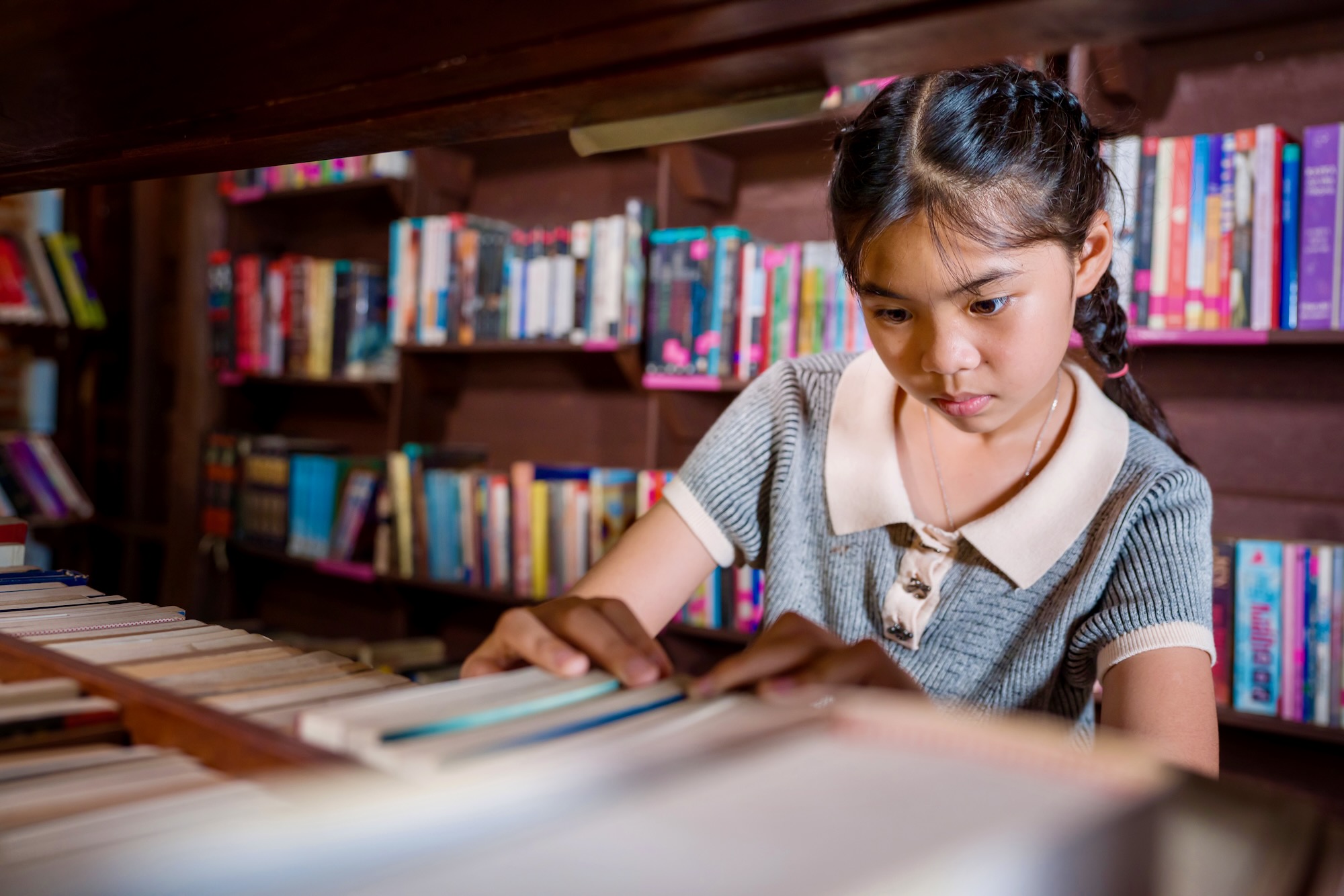
In Thailand, The Library Project provides Reading Rooms, Reading Corners, Book Donations, and Literacy Programs to rural schools and community centers. These programs increase access to age-appropriate books, create welcoming places to read, and help children strengthen the literacy skills they need to continue learning.
Our Reading Rooms create dedicated spaces for reading and learning, while Reading Corners place books directly in classrooms and other spaces children use each day. Book Donations strengthen existing collections, and our Literacy Programs create additional opportunities for children to practice reading and build confidence. Training & Support helps educators and community-based partners deliver effective literacy programming.
The Library Project also provides Capacity Building for local literacy nonprofit organizations in Thailand. This support is free of charge and may include one-on-one mentoring, planning tools, fundraising guidance, program development support, and access to practical resources. By strengthening local organizations, we help build long-term, community-led literacy impact.
Literacy in Thailand
Thailand has achieved nearly universal primary school enrollment, but significant differences remain in the quality of learning children receive. UNICEF reports that basic reading and numeracy skills in the early grades remain low and that children in rural areas attending schools with fewer resources are less likely to perform well. Socioeconomic circumstances and the language spoken at home also have a significant influence on learning outcomes.
Language is an especially important factor. Recent UNICEF reporting indicates that 71 percent of Thai children ages 7 to 14 achieve basic reading proficiency, compared with just 43 percent of children from households where Thai is not the primary language. Ethnic minority and migrant children can therefore face additional barriers when the language used in school differs from the language they use at home.
Challenges continue into adolescence. In the OECD’s PISA 2022 assessment, 60 percent of girls and 72 percent of boys in Thailand scored below the baseline proficiency level in reading. These results highlight the importance of strengthening reading development throughout childhood rather than treating literacy as a skill acquired only in the earliest grades.
The Library Project’s work in Thailand responds to these needs by expanding access to books and reading spaces in rural communities, supporting Literacy Programs, strengthening educators through Training & Support, and building the capacity of local literacy nonprofit organizations.
Thailand
Our Work:
- Libraries
- Literacy
- Training & Support
- Capacity Building
Support Children's Literacy Today.
Millions of children attend schools without libraries or access to quality books.
Nepal
Where We Work
Our goal is to ensure every child, no matter where they live, has the opportunity to read, learn, and grow.
Our Work in Nepal
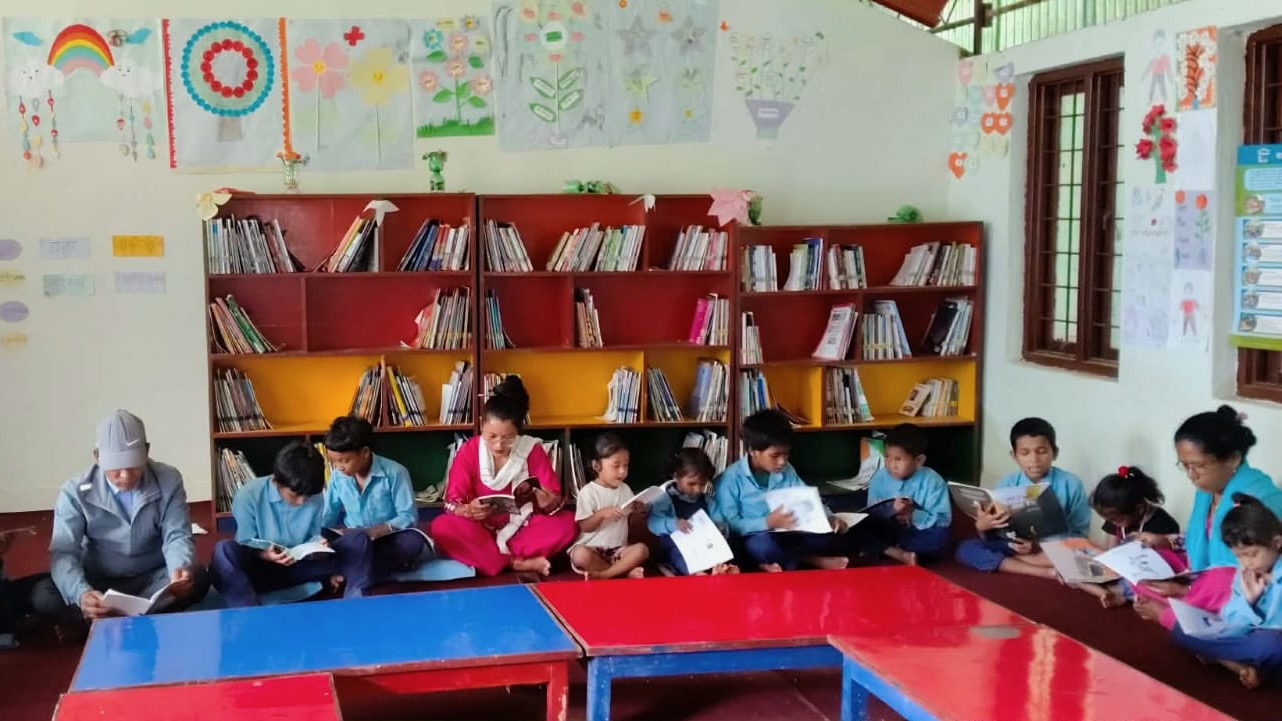
In Nepal, The Library Project provides free Reading Rooms, Reading Corners, Book Donations, and Literacy Programs to rural schools and community centers. These programs expand access to books and welcoming reading spaces while helping children strengthen the literacy skills they need to learn and succeed in school.
Our Reading Rooms create dedicated spaces where children can explore age-appropriate books and develop regular reading habits. Reading Corners bring books directly into classrooms and other learning spaces, while Book Donations help schools and community centers strengthen existing collections. Our Literacy Programs provide additional opportunities for children to practice reading, improve comprehension, and build confidence as readers.
The Library Project also provides Capacity Building for local literacy nonprofit organizations in Nepal. This support is free of charge and may include one-on-one mentoring, planning tools, fundraising guidance, program development support, and access to practical resources. By strengthening local organizations, we help build long-term, community-led literacy impact.
Literacy in Nepal
Nepal has made important progress in expanding access to education, but many children are still not developing strong foundational reading skills. The 2024–25 Nepal Multiple Indicator Cluster Survey, conducted by Nepal’s National Statistics Office with UNICEF, found that only 37.1 percent of children ages 7 to 14 demonstrated foundational reading skills in Nepali. Among children attending Grades 2 and 3, only 20.7 percent demonstrated these foundational reading skills. The assessment measures skills expected at the Grade 2 level, including reading a short text and answering comprehension questions.
Educational opportunities and learning outcomes also vary significantly across Nepal. UNICEF identifies geographical remoteness, socioeconomic circumstances, gender, and ethnic differences among the continuing challenges affecting equitable access to quality education. The latest national literacy assessment also shows large differences by household wealth: foundational reading skills were demonstrated by 34.1 percent of children in the poorest households compared with 55.4 percent in the richest households.
Access to books and supplementary learning materials remains another challenge. According to the Government of Nepal’s 2023/24 Flash I Report, just 36.9 percent of the country’s 15,802 community schools serving Grades 1–5 reported having a book corner. Only 56.2 percent reported having children’s learning materials and 33.2 percent reported having reference materials. These gaps can limit children’s opportunities to read beyond their textbooks and develop regular reading habits.
Reading is the foundation for learning across all subjects. In Nepal, expanding access to books and reading spaces, strengthening children’s foundational literacy skills, and supporting locally led literacy organizations can help more children become confident readers. The Library Project’s work responds to these needs through Reading Rooms, Reading Corners, Book Donations, Literacy Programs, and Capacity Building.
Madagascar
Our Work:
- Libraries
- Literacy Programs
- Training & Support
- Capacity Building
Support Children's Literacy Today.
Millions of children attend schools without libraries or access to quality books.
Pakistan
Where We Work
Our goal is to ensure every child, no matter where they live, has the opportunity to read, learn, and grow.
Our Work in Pakistan
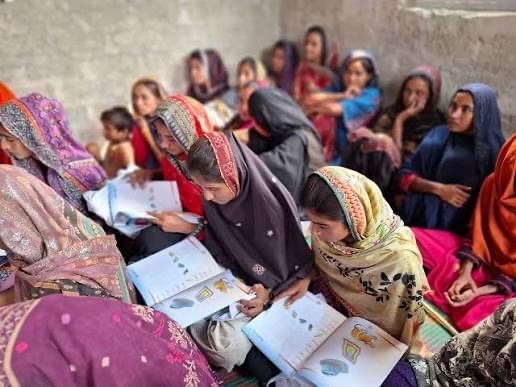
In Pakistan, The Library Project provides Literacy Programs, Remedial Reading Lessons, and Book Donations to young girls and women living and working in rural communities. These programs support women laborers working on farms by helping them strengthen reading skills, access books, and build confidence through continued learning.
Our Remedial Reading Lessons provide focused literacy support for learners who may have had limited access to formal education or who need additional support to build foundational reading skills. These programs are designed to meet learners where they are and provide practical, encouraging instruction that supports their daily lives.
Our Book Donations provide reading materials that support literacy instruction, independent reading, and continued learning. By placing books into rural communities, we help create more opportunities for young girls and women to practice reading, explore new ideas, and strengthen their connection to education.
The Library Project also provides Capacity Building for local literacy nonprofit organizations in Pakistan. This support is free of charge and may include one-on-one mentoring, planning tools, fundraising guidance, program development support, and access to practical resources. By strengthening local organizations, we help build long-term, community-led literacy impact.
Literacy in Pakistan
Pakistan faces a major literacy and learning challenge, especially for girls and women in rural communities. UNICEF reports that more than 26 million school-age children in Pakistan are out of school, one of the highest numbers in the world. Most of these children are girls, children from underprivileged families, children with disabilities, and children living in hard-to-reach areas. UNICEF also reports that 77 percent of children in Pakistan are unable to read and understand a simple text by age 10.
Girls in rural communities face some of the greatest education barriers. The World Bank reports that rural girls are the most likely to drop out after primary school, and that girls make up more than half of Pakistan’s out-of-school children. Poverty, school-related costs, distance, safety concerns, and sociocultural barriers can limit school attendance and reduce opportunities for continued learning.
For young women and adult women working in rural agriculture, literacy can be especially important. FAO reports that 62 percent of rural women in Pakistan work in the fields, while only 19 percent are in paid employment, and 60 percent work as unpaid workers on family farms and enterprises. Limited literacy can make it harder for women to access information, understand written materials, participate in community life, and pursue additional learning or livelihood opportunities.
Reading is the foundation for learning, communication, and opportunity. The Library Project’s work in Pakistan responds to this need by supporting young girls and women in rural farming communities with Literacy Programs, Remedial Reading Lessons, and Book Donations, while also strengthening local literacy nonprofit organizations through Capacity Building.
Pakistan
Our Work:
- Libraries
- Literacy
- Training & Support
- Capacity Building
Support Children's Literacy Today.
Millions of children attend schools without libraries or access to quality books.
South Sudan
Where We Work
Our goal is to ensure every child, no matter where they live, has the opportunity to read, learn, and grow.
Our Work in South Sudan
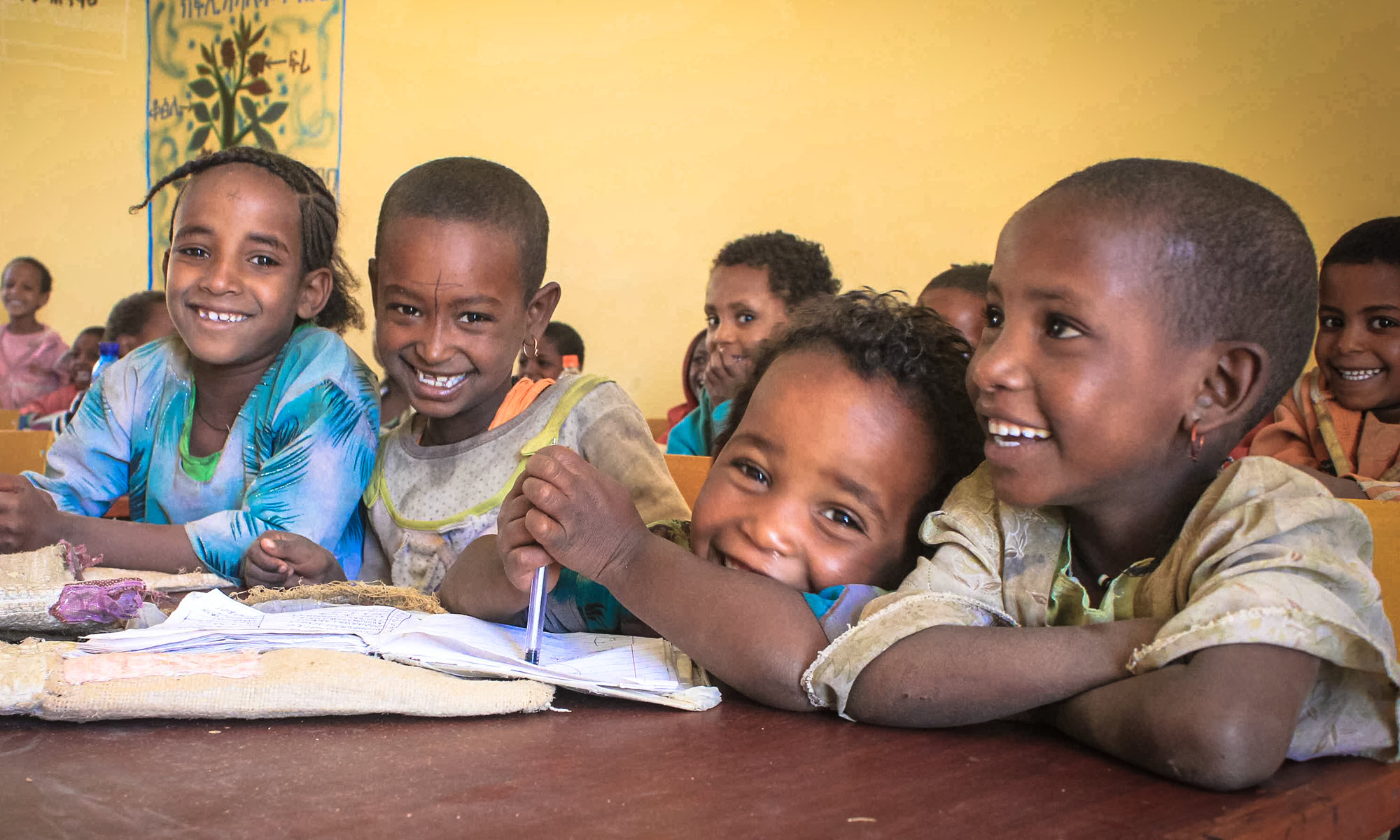
In South Sudan, The Library Project provides Reading Rooms, Reading Corners, Book Donations, and Literacy Programs to rural elementary schools and community libraries. These programs support children and youth living in rural communities by expanding access to books, strengthening school-based reading opportunities, and helping students build the literacy skills they need to continue learning.
Our Reading Rooms help schools and community libraries create dedicated spaces where students can read, explore books, and develop stronger reading habits. Our Reading Corners place age-appropriate books directly into classrooms, giving students regular access to reading materials where they learn. Our Book Donations provide additional resources for rural schools and community libraries, helping expand access to books in communities where reading materials may be limited.
The Library Project also provides Capacity Building for local literacy nonprofit organizations in South Sudan. This support is free of charge and may include one-on-one mentoring, planning tools, fundraising guidance, program development support, and access to practical resources. By strengthening local organizations, we help build long-term, community-led literacy impact.
Literacy in South Sudan
South Sudan faces one of the world’s most severe education challenges. UNICEF reports that more than 2.8 million children, or over 70 percent of the country’s children, are out of school. Some children are unable to attend regular classes because they live in pastoral communities and move with their families and cattle. Girls are especially affected, with poverty, child marriage, and cultural barriers limiting access to education.
Years of conflict, displacement, poverty, food insecurity, and climate-related disasters have placed significant pressure on South Sudan’s education system. Education Cannot Wait reports that violence and climate-induced disasters continue to prevent children from accessing safe, quality education, while many vulnerable children, including girls, internally displaced children, and children with disabilities, face the greatest barriers.
For children in rural communities, access to books, trained teachers, safe learning spaces, and consistent literacy support can be especially limited. These challenges make school libraries, classroom Reading Corners, community libraries, and locally led literacy programs important tools for helping children stay connected to learning.
Reading is the foundation for learning across all subjects. When students struggle to read, they are more likely to fall behind, lose confidence, and face greater barriers to continuing their education. The Library Project’s work in South Sudan responds to this need by supporting rural elementary schools and community libraries with Reading Rooms, Reading Corners, Book Donations, and Literacy Programs, while also strengthening local literacy nonprofit organizations through Capacity Building.
South Sudan
Our Work:
- Libraries
- Literacy
- Training & Support
- Capacity Building
Support Children's Literacy Today.
Millions of children attend schools without libraries or access to quality books.
Bhutan
Where We Work
Our goal is to ensure every child, no matter where they live, has the opportunity to read, learn, and grow.
Our Work in Bhutan
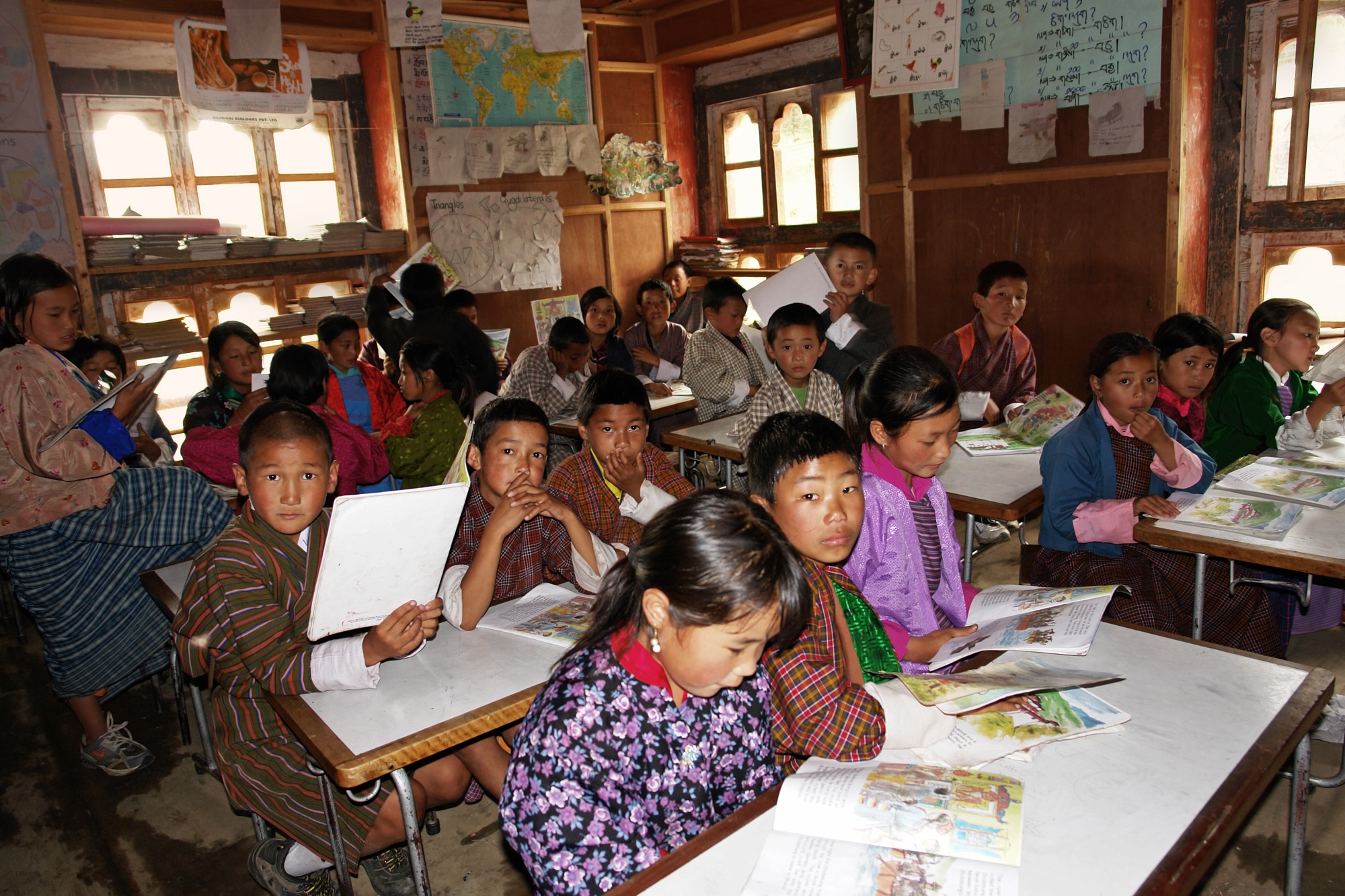
In Bhutan, The Library Project provides Reading Rooms, Reading Corners, Book Donations, and Literacy Programs to rural elementary schools and community libraries. These programs support children and youth living in rural communities by expanding access to books, strengthening school-based reading opportunities, and helping students build the literacy skills they need to continue learning.
Our Reading Rooms help schools and community libraries create dedicated spaces where students can read, explore books, and develop stronger reading habits. Our Reading Corners place age-appropriate books directly into classrooms, giving students daily access to reading materials where they learn. Our Book Donations provide additional resources for rural schools and community libraries, helping expand access to books in communities where reading materials may be limited.
The Library Project also provides Capacity Building for local literacy nonprofit organizations in Bhutan. This support is free of charge and may include one-on-one mentoring, planning tools, fundraising guidance, program development support, and access to practical resources. By strengthening local organizations, we help build long-term, community-led literacy impact.
Literacy in Bhutan
Bhutan has made important progress in expanding education and improving youth literacy, but continued support is needed to strengthen reading skills and ensure that children in rural communities have access to quality learning resources. UNICEF Bhutan reports that youth literacy is 97.7 percent and the student-teacher ratio is 16:1. At the same time, UNICEF notes that foundational learning levels remain weak, with reading proficiency reported at 45 percent.
Recent national assessment efforts also point to the importance of continued literacy support. Bhutan’s National Education Assessment measures Dzongkha and English reading and writing, along with mathematics and science, to better understand student learning, school conditions, and home learning environments. These assessments show the country’s commitment to improving education quality while also highlighting the need for continued investment in reading and learning support.
For children in rural communities, access to books, reading spaces, and literacy programs remains especially important. Rural students may face challenges related to distance, limited learning materials, and fewer opportunities to access community-based reading resources outside the classroom. School libraries, classroom Reading Corners, and community libraries can help create regular opportunities for children to read, practice literacy skills, and build confidence.
Reading is the foundation for learning across all subjects. The Library Project’s work in Bhutan responds to this need by supporting rural elementary schools and community libraries with Reading Rooms, Reading Corners, Book Donations, and Literacy Programs, while also strengthening local literacy nonprofit organizations through Capacity Building. Together, these efforts help create more reading opportunities for students and support long-term, community-led literacy impact.
Bhutan
Our Work:
- Libraries
- Literacy
- Training & Support
- Capacity Building
Support Children's Literacy Today.
Millions of children attend schools without libraries or access to quality books.
Lebanon
Where We Work
Our goal is to ensure every child, no matter where they live, has the opportunity to read, learn, and grow.
Our Work in Lebanon
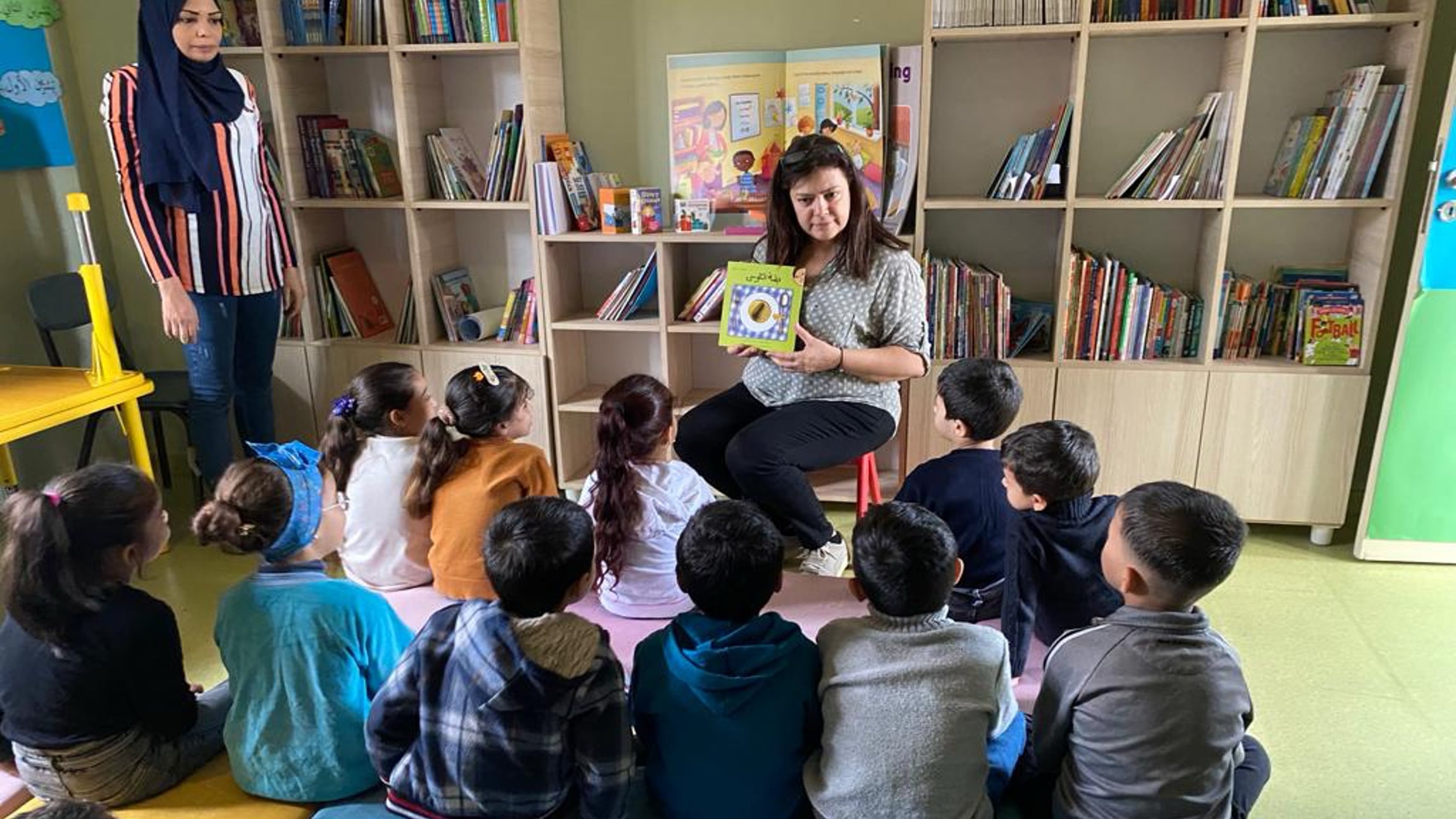
In Lebanon, The Library Project provides Book Donations and Literacy Programs to community centers located in refugee camps. These programs support Lebanese and Syrian youth and adults by expanding access to books, strengthening reading opportunities, and creating supportive learning spaces.
Our Book Donations help community centers provide reading materials for children, young adults, and adults who may have experienced years of disrupted education. These donations support literacy programming, independent reading, and continued learning outside of formal school settings.
The Library Project also provides Capacity Building for local literacy nonprofit organizations in Lebanon. This support is free of charge and may include one-on-one mentoring, planning tools, fundraising guidance, program development support, and access to practical resources. By strengthening local organizations, we help build long-term, community-led literacy impact for refugee communities.
Literacy in Refugee Camps in Lebanon
Lebanon is home to diverse refugee communities, including Palestinian refugees, Syrian refugees, Palestine refugees from Syria, and other displaced families. Many live in refugee camps, informal settlements, or camp-adjacent communities where access to education, books, and safe learning spaces can be limited.
These education barriers affect learners of all ages. Children may miss the opportunity to build foundational reading skills, adolescents may fall behind or leave school early, and adults may need literacy support to continue learning, access information, and support their families. UNHCR reports that Lebanon hosts around 610,000 registered Syrian refugee children and youth ages 3 to 24, many of whom face challenges accessing formal and non-formal education.
For Palestinian refugee communities, schools and community-based education services play an important role in supporting continued learning. UNRWA reports that it provides education services to 39,144 Palestine refugee students in Lebanon through 65 schools. UNICEF has also supported accelerated learning for out-of-school Palestinian refugee children, helping students reconnect with education after interrupted schooling.
For Syrian refugee communities, poverty, displacement, transportation costs, school-related expenses, child labor, and limited household resources continue to interrupt education. These pressures can reduce access to school, literacy development, and continued learning. Human Rights Watch has documented barriers to education for Syrian refugee children in Lebanon, while the Norwegian Refugee Council has reported that bullying, violence, and difficulty learning the Lebanese curriculum have contributed to dropout among Syrian refugee students.
Reading is the foundation for learning, communication, and long-term opportunity. In refugee camps and displaced communities, access to books and literacy programs can help children stay connected to learning, support youth who have experienced interrupted education, and provide adults with opportunities to strengthen reading skills. The Library Project’s work in Lebanon responds to this need by supporting community centers in refugee camps with free Book Donations and Literacy Programs, while also strengthening local literacy nonprofit organizations through Capacity Building.
Lebanon
Our Work:
- Libraries
- Literacy Programs
- Training & Support
- Capacity Building
Support Children's Literacy Today.
Millions of children attend schools without libraries or access to quality books.
Philippines
Where We Work
Our goal is to ensure every child, no matter where they live, has the opportunity to read, learn, and grow.
Our Work in the Philippines
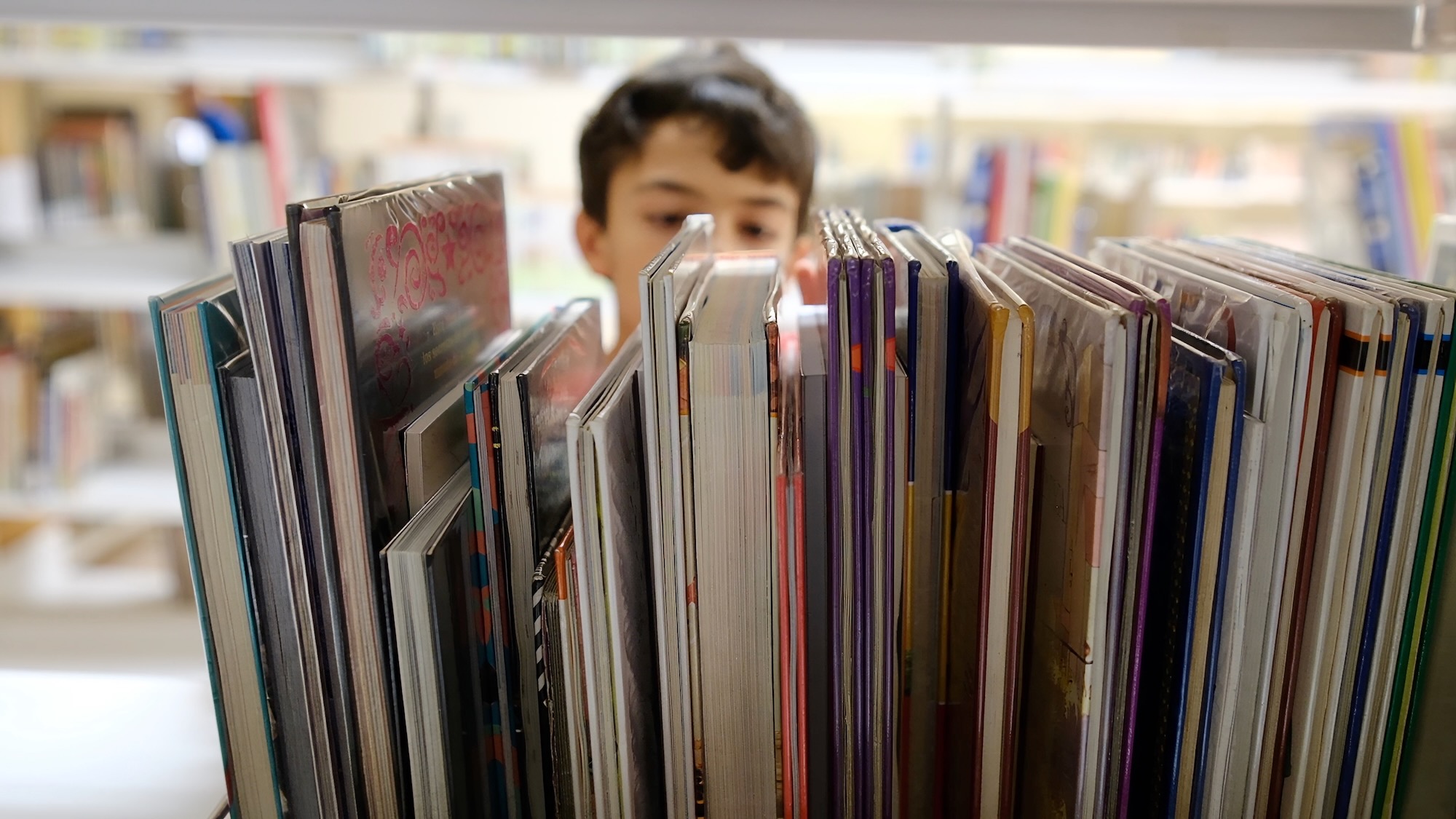
In the Philippines, The Library Project provides free Reading Rooms, Book Donations, and Literacy Programs to rural elementary schools. These programs support children and youth living in rural communities by expanding access to books, strengthening school-based reading opportunities, and helping students build the literacy skills they need to continue learning.
Our Reading Rooms help schools create dedicated spaces where students can read, explore books, and develop stronger reading habits. Our Book Donations provide additional reading materials to rural schools, helping students gain access to age-appropriate books that support learning inside and outside the classroom.
The Library Project also provides Capacity Building for local literacy nonprofit organizations in the Philippines. This support is free of charge and may include one-on-one mentoring, planning tools, fundraising guidance, program development support, and access to practical resources. By strengthening local organizations, we help build long-term, community-led literacy impact.
Literacy in the Philippines
The Philippines faces a significant literacy and learning challenge. According to the World Bank and UNESCO Institute for Statistics, 91 percent of children in the Philippines at late primary age are not proficient in reading, after adjusting for children who are out of school. The same brief reports that 90 percent of students do not reach minimum reading proficiency by the end of primary school.
International learning assessments also point to the need for stronger reading support. In PISA 2022, 15-year-old students in the Philippines scored below the OECD average in reading, mathematics, and science. UNICEF Philippines describes the country as facing a learning crisis and notes that, compared to countries at the same economic level, students in the Philippines are behind by five to six years of schooling.
Children in rural and geographically isolated communities can face additional barriers, including limited access to books, learning resources, and consistent educational support. These challenges make school libraries, classroom reading spaces, and locally led literacy programs especially important.
Reading is the foundation for learning across all subjects. When students struggle to read, they are more likely to fall behind, lose confidence, and face greater barriers to continuing their education. The Library Project’s work in the Philippines responds to this need by supporting rural elementary schools with free Reading Rooms, Book Donations, and Literacy Programs, while also strengthening local literacy nonprofit organizations through Capacity Building.
Philippines
Our Work:
- Libraries
- Literacy Programs
- Training & Support
- Capacity Building
Support Children's Literacy Today.
Millions of children attend schools without libraries or access to quality books.
Mongolia
Where We Work
Our goal is to ensure every child, no matter where they live, has the opportunity to read, learn, and grow.
Our Work in Mongolia
In Mongolia, The Library Project provides free Reading Rooms, Book Donations, and Literacy Programs to rural elementary schools. These programs support children and youth living in rural communities by expanding access to books, strengthening school-based reading opportunities, and helping students build the literacy skills they need to continue learning.
Our Reading Rooms help schools create dedicated spaces where students can read, explore books, and develop stronger reading habits. Our Book Donations provide additional reading materials to rural schools, helping students gain access to age-appropriate books that support learning inside and outside the classroom.
The Library Project also provides Capacity Building for local literacy nonprofit organizations in Mongolia. This support is free of charge and may include one-on-one mentoring, planning tools, fundraising guidance, program development support, and access to practical resources. By strengthening local organizations, we help build long-term, community-led literacy impact.
Literacy in Mongolia
Mongolia has made strong progress in expanding school access, but many children still face challenges in developing strong reading and learning skills. According to the World Bank and UNESCO Institute for Statistics, 39 percent of children in Mongolia at late primary age are not proficient in reading, after adjusting for children who are out of school. The same brief reports that 38 percent of students do not reach minimum reading proficiency by the end of primary school.
Rural children, including children from herder families, can face additional barriers to learning because of distance, limited access to early childhood education, and uneven access to learning materials and technology. UNICEF reports that 20 percent of children ages 3 to 5 in Mongolia do not have access to early childhood education, with particular challenges for children of rural herders, children with disabilities, and children from low-income families. UNICEF also reports that grade 6 literacy proficiency was only 34 percent in 2022.
Reading is the foundation for learning across all subjects. The World Bank describes foundational literacy as a gateway to learning, noting that children who cannot read with understanding are more likely to face barriers as they progress through school.
The Library Project’s work in Mongolia responds to this need by supporting rural elementary schools with free Reading Rooms, Book Donations, and Literacy Programs, while also strengthening local literacy nonprofit organizations through Capacity Building. Together, these efforts help create more reading opportunities for students and support long-term, community-led literacy impact.
Mongolia
Our Work:
- Libraries
- Literacy Programs
- Training & Support
- Capacity Building
Support Children's Literacy Today.
Millions of children attend schools without libraries or access to quality books.
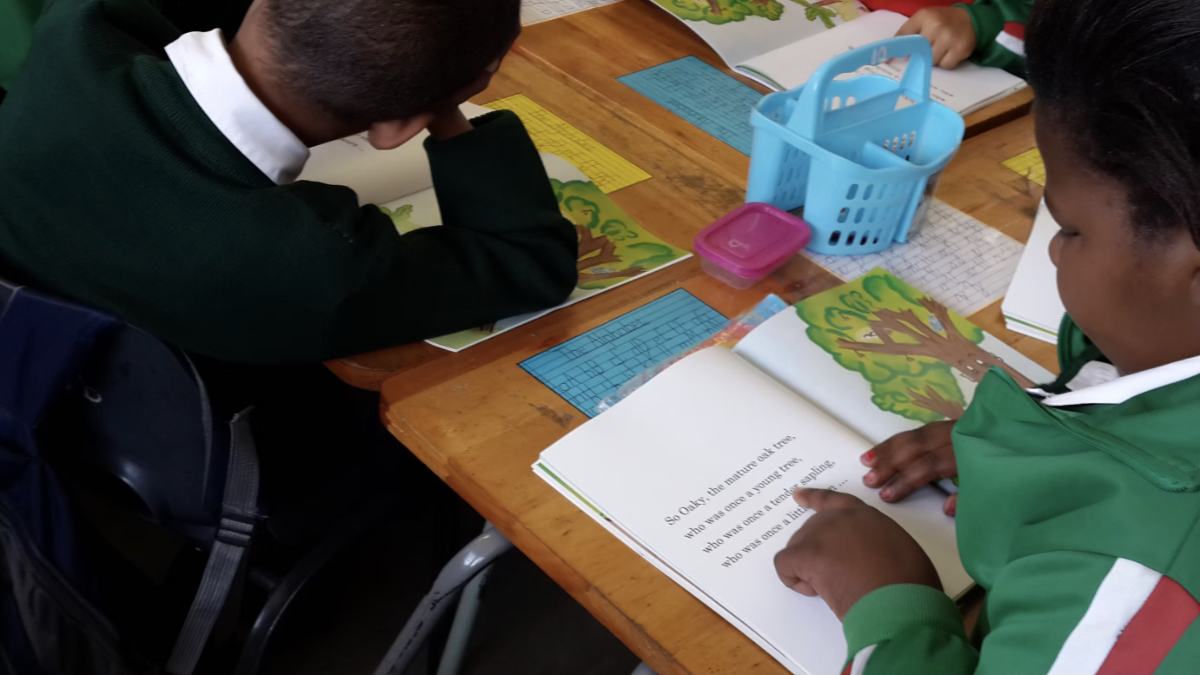
South Africa
Where We Work
Our goal is to ensure every child, no matter where they live, has the opportunity to read, learn, and grow.
Our Work in South Africa
In South Africa, The Library Project provides free Reading Corners, Book Donations, and Literacy Programs to rural elementary schools. These programs support children and youth living in rural communities by increasing access to books, strengthening classroom reading opportunities, and helping students build the literacy skills they need to continue learning.
Our Reading Corners support classrooms by placing age-appropriate books directly where students learn each day. Our Book Donations support both classroom libraries and school libraries, helping schools expand access to reading materials and create more opportunities for students to read independently.
The Library Project also provides Capacity Building for local literacy nonprofit organizations in South Africa. This support is free of charge and may include one-on-one mentoring, planning tools, fundraising guidance, program development support, and access to practical resources. By strengthening local organizations, we help build long-term, community-led literacy impact.
Literacy in South Africa
South Africa faces a serious reading and literacy challenge. The 2021 Progress in International Reading Literacy Study found that 81 percent of South African Grade 4 learners could not read for meaning in any language. This means that many children reach the middle years of primary school without the foundational reading skills needed to learn confidently across subjects.
Access to books and reading spaces remains an important issue, especially in under-resourced and rural schools. Research on rural classroom libraries in Limpopo found that schools experienced a major lack of resources and a complete lack of school libraries. A separate review of school libraries in South Africa noted that only a small percentage of schools have well-resourced and staffed libraries, with even fewer in some rural provinces.
Reading is the foundation for learning across all subjects. When students struggle to read, they are more likely to fall behind, lose confidence, and face greater barriers to continuing their education. In South Africa, classroom-based reading support, school libraries, and locally led literacy programs are essential to helping children build stronger reading habits.
The Library Project’s work in South Africa responds to this need by supporting rural schools with free Reading Corners, Book Donations, and Literacy Programs, while also strengthening local literacy nonprofit organizations through Capacity Building. Together, these efforts help create more reading opportunities for students and support long-term, community-led literacy impact.
South Africa
Our Work:
- Libraries
- Literacy Programs
- Training & Support
- Capacity Building