
The Bahamas
Where We Work
Our goal is to ensure every child, no matter where they live, has the opportunity to read, learn, and grow.
Our Work in The Bahamas
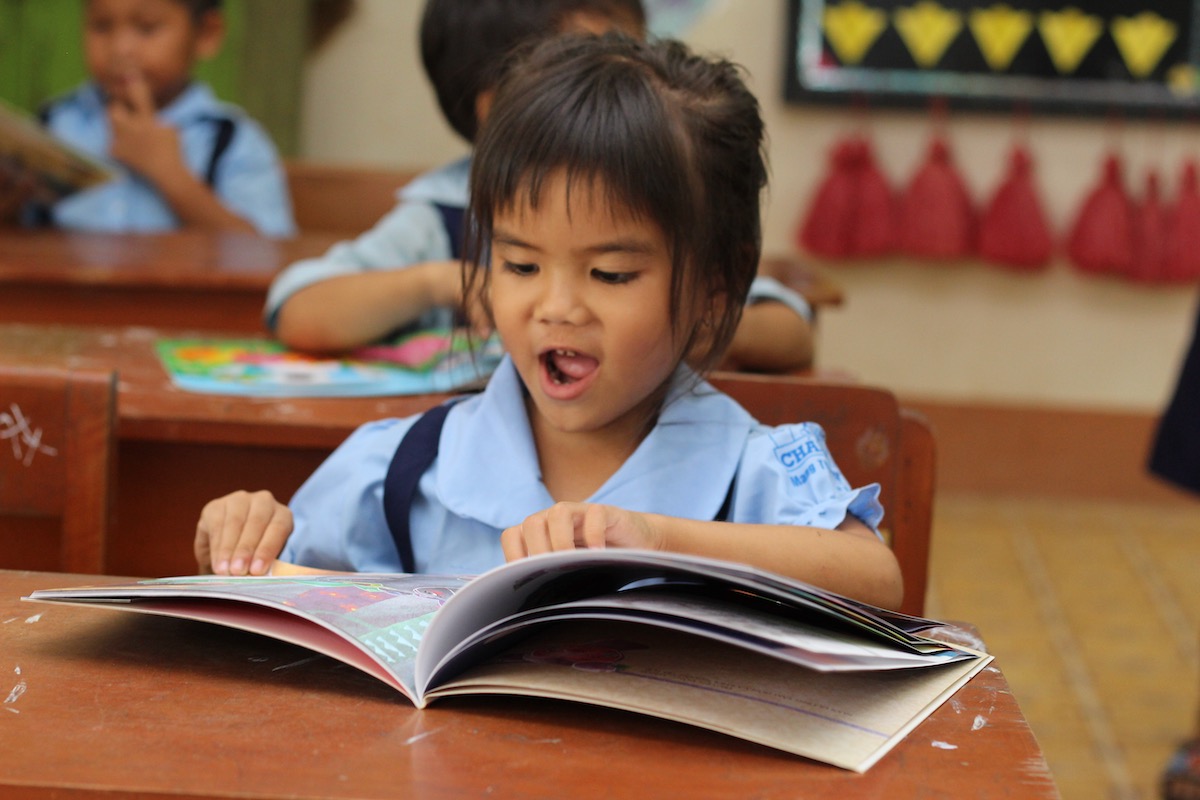
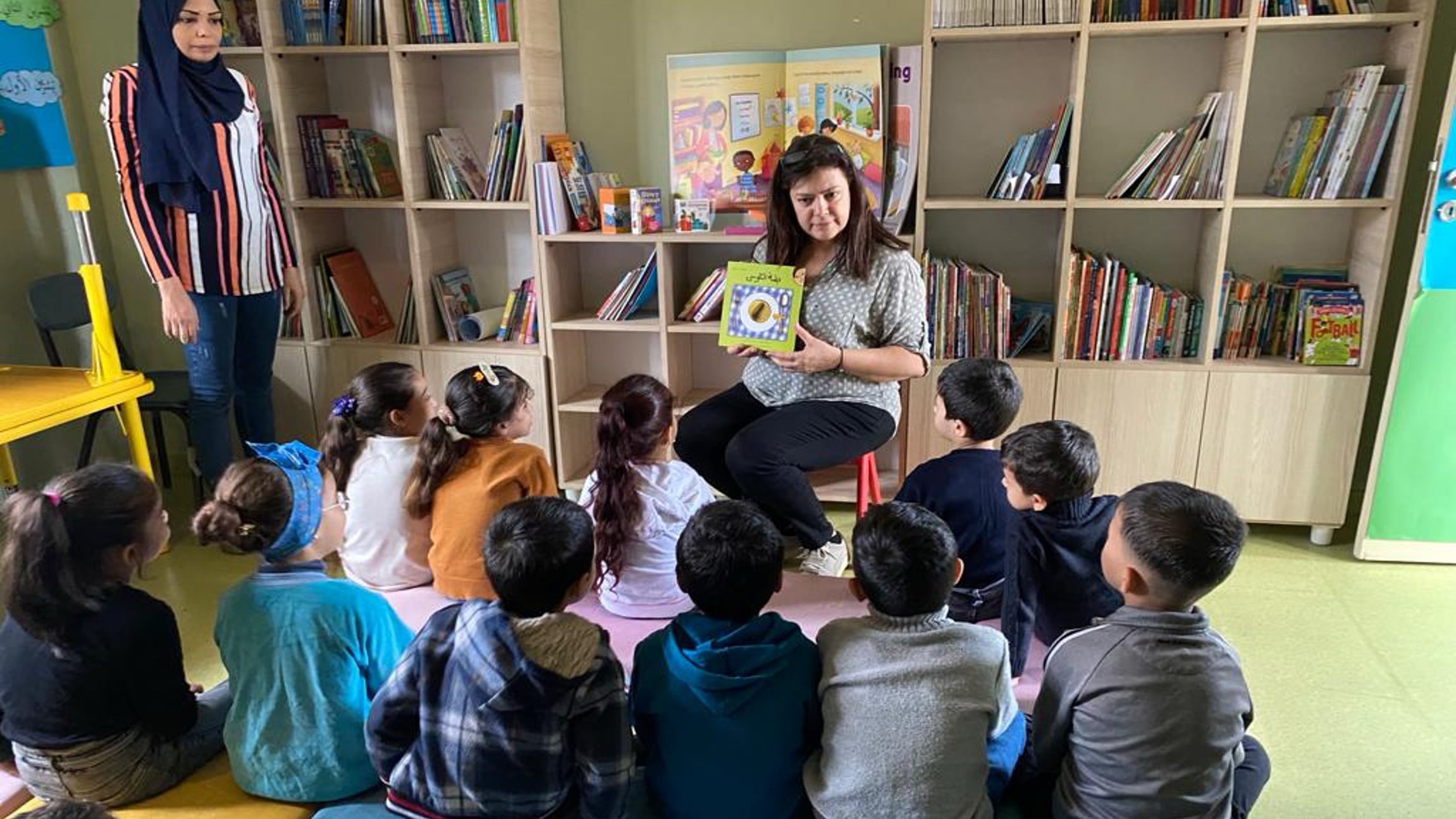
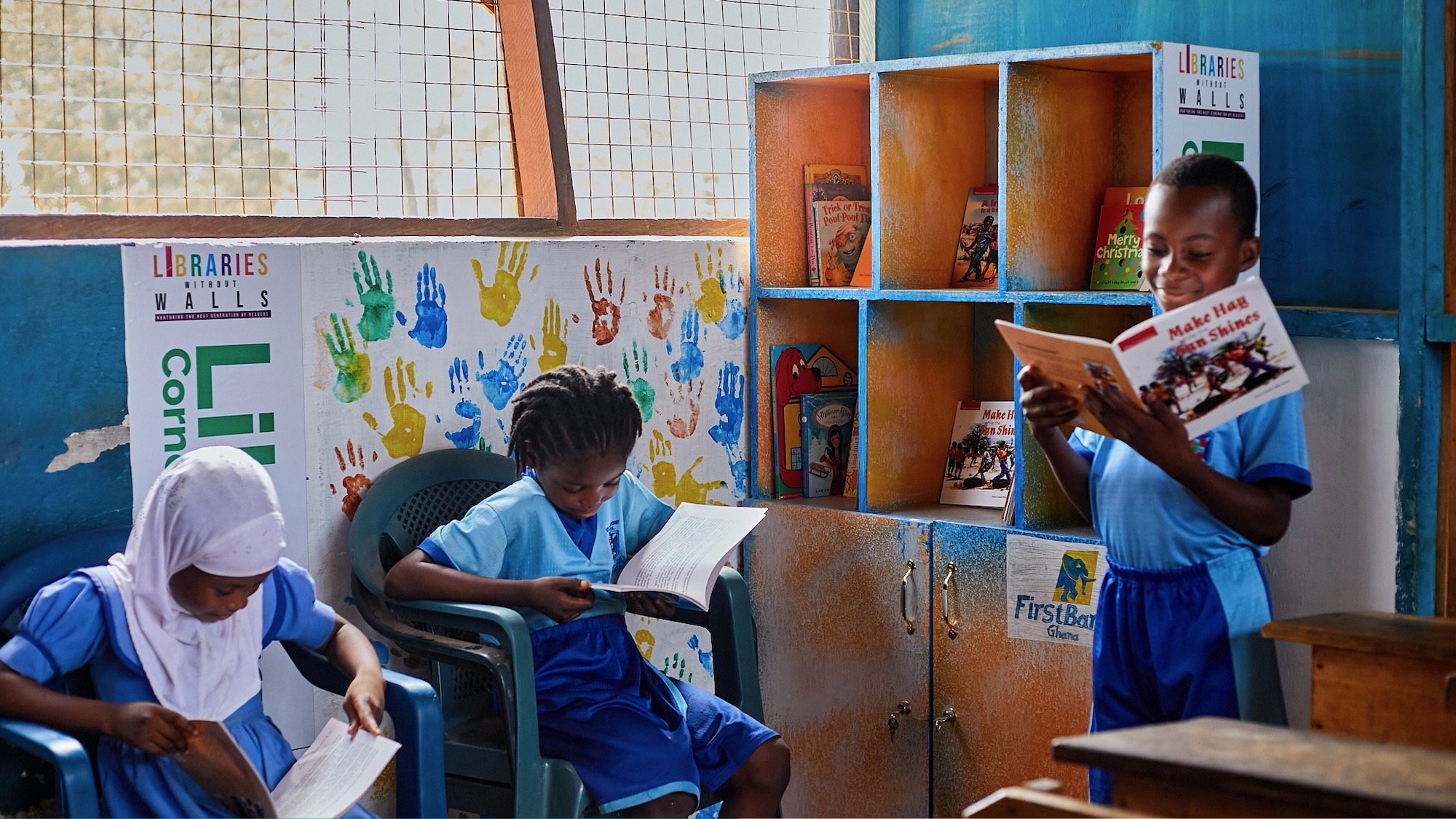
In The Bahamas, our Reading Rooms transform community spaces into places where books are easy for children to discover and enjoy. Book Donations fill these spaces with reading materials that can support different ages, interests, and abilities, helping make reading accessible outside the school environment.
Our Literacy Programs give children opportunities to engage more deeply with those books and strengthen essential reading skills. Training & Support helps community educators and program staff create meaningful reading activities and provide children with effective encouragement and guidance.
Capacity Building extends this support to local nonprofit organizations themselves. By helping organizations strengthen programs, planning, and internal capacity, The Library Project supports literacy work designed and delivered within Bahamian communities.
Literacy in The Bahamas
Literacy is a clear priority within the Bahamian education system. The national primary curriculum dedicates a 90-minute daily reading block in the lower primary grades, with instruction covering phonemic awareness, phonics, vocabulary, fluency, and comprehension. Reading and language development remain prominent throughout the current primary curriculum.
The country also has a longstanding national assessment system for monitoring literacy-related learning. Students take the Grade Level Assessment Test in Grades 3 and 6, which includes Language Arts alongside mathematics and, at Grade 6, science and social studies. The assessment is administered across government primary schools and most independent primary schools.
Ensuring that educational opportunity reaches children across the country’s many islands and communities remains an explicit national priority. In 2026, the Government of The Bahamas reaffirmed that children should have access to high-quality education regardless of geography or circumstance, while the Ministry of Education identifies equitable access, resources, infrastructure, and quality learning environments among its central goals.
Community-based literacy programs can complement this work by creating additional places for children to encounter books and practice reading outside school. The Library Project contributes through Reading Rooms, Book Donations, Literacy Programs, Training & Support, and Capacity Building.
One change I would recommend across these new pages is using “The Bahamas” rather than “Bahamas” in headings and body copy. That is the country’s standard formal usage and reads more naturally: Our Work in The Bahamas and Literacy in The Bahamas.
The Bahamas
Our Work:
- Libraries
- Literacy
- Training & Support
- Capacity Building
Support Children's Literacy Today.
Millions of children attend schools without libraries or access to quality books.

Panama
Where We Work
Our goal is to ensure every child, no matter where they live, has the opportunity to read, learn, and grow.
Our Work in Panama
Community centers can provide an important bridge between school and home. In Panama, The Library Project provides Book Donations that give children greater access to engaging reading materials within these community spaces. Our Literacy Programs use those resources to help children practice reading, comprehension, and other foundational skills.
For children who are struggling or have fallen behind, we also support after-school remedial reading lessons. These lessons provide additional time and targeted attention so learners can work on the specific reading skills they have not yet mastered.
Training & Support strengthens the educators and community-based staff delivering these programs, while Capacity Building helps local nonprofit organizations develop stronger programs and organizational systems. Together, these approaches strengthen both direct literacy support for children and the organizations serving them.
Literacy in Panama
Panama faces significant challenges in foundational literacy. UNICEF reports that six out of every ten third-grade students do not achieve minimum reading skills. In Indigenous comarcas, the challenge is even greater: approximately nine out of ten third-grade students do not reach the minimum reading level.
Difficulties continue into adolescence. In PISA 2022, only 42 percent of Panama’s 15-year-old students reached at least the baseline level of reading proficiency, meaning 58 percent performed below it. Although reading results improved compared with 2018, Panama remained substantially below the OECD average.
Access to education is another concern. UNICEF reports that approximately 12 percent of children and adolescents ages 4 to 17 are not attending an educational institution. These challenges make opportunities for learning beyond the classroom particularly valuable, especially for children who require additional time and individualized support.
The Library Project’s community-based approach responds directly to these needs through Book Donations, Literacy Programs, after-school Remedial Reading Lessons, Training & Support, and Capacity Building.
Panama
Our Work:
- Libraries
- Literacy
- Training & Support
- Capacity Building
Support Children's Literacy Today.
Millions of children attend schools without libraries or access to quality books.
Honduras
Where We Work
Our goal is to ensure every child, no matter where they live, has the opportunity to read, learn, and grow.
Our Work in Honduras
For many rural students, opportunities to read outside their required schoolwork can be limited. The Library Project creates Reading Rooms and Reading Corners that give children greater access to engaging, age-appropriate books and places where reading can become a regular activity. Book Donations also help schools build stronger collections with materials that children can continue exploring over time.
Our Literacy Programs focus on helping children develop the foundational skills needed to become stronger, more independent readers. Training & Support works with educators to strengthen the way reading is encouraged and supported within schools.
We also recognize that sustainable progress depends on strong local organizations. Through Capacity Building, The Library Project supports literacy nonprofits with practical tools and organizational development so they can continue expanding and improving their programs for children.
Literacy in Honduras
Honduras faces a serious foundational literacy challenge. The World Bank estimates that close to 80 percent of Honduran children around age 10 experience learning poverty, meaning they are unable to read and understand a simple, age-appropriate text. World Bank Blogs
Regional assessment results reinforce the scale of the challenge. In UNESCO’s ERCE assessment, only 47.3 percent of Honduran third-grade students reached the minimum proficiency level in reading. By sixth grade, Honduras continued to perform below the regional average in reading.
Access to appropriate learning materials is part of the problem. UNICEF’s 2025 Foundational Learning Action Tracker estimates an average of only one early-grade textbook for every three to five students in Honduras. Language can create another barrier: efforts supported by the World Bank have expanded children’s books into Miskito and Garifuna so Indigenous and Afro-Honduran children can encounter reading materials in languages used in their homes and communities.
By expanding access to books and reading spaces while strengthening literacy instruction, educators, and local organizations, The Library Project can help rural children build the foundational skills they need for future learning.
Honduras
Our Work:
- Libraries
- Literacy
- Training & Support
- Capacity Building
Support Children's Literacy Today.
Millions of children attend schools without libraries or access to quality books.
Costa Rica
Where We Work
Our goal is to ensure every child, no matter where they live, has the opportunity to read, learn, and grow.
Our Work in Costa Rica
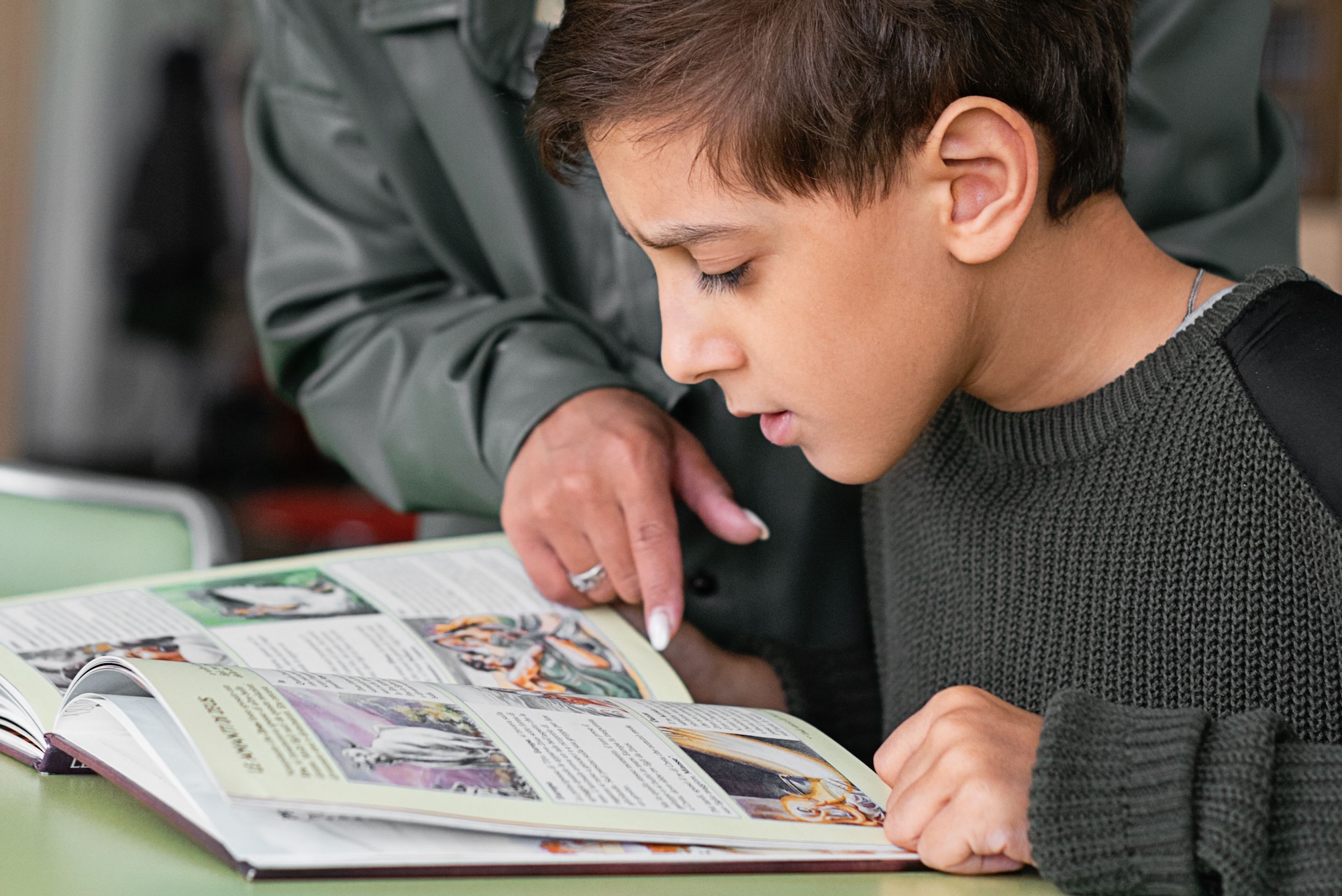
A child is more likely to become a reader when books are visible, accessible, and part of everyday life. In Costa Rica, The Library Project establishes Reading Rooms and Reading Corners that bring books into the places where children learn and spend their time. Book Donations help schools and community centers strengthen collections and provide children with more choices about what they read.
Literacy Programs help children build the skills needed to understand and engage with those books. At the same time, Training & Support gives educators and community partners additional tools for encouraging reading, supporting comprehension, and responding to different learning needs.
Through Capacity Building, we also support local nonprofit organizations working to improve literacy and education. Strengthening these organizations helps ensure that effective programs can continue to develop within the communities they know best.
Literacy in Costa Rica
Costa Rica has achieved high levels of school participation and adult literacy, but children’s learning outcomes reveal a different challenge. In the newly released PISA 2025 results, only 53 percent of Costa Rican 15-year-olds reached the baseline level of proficiency in reading. Nearly half, therefore, performed below the level at which students are expected to identify the main idea of a moderately long text, locate information, and reflect on its purpose.
Challenges begin earlier. UNICEF data indicate that approximately 75 percent of children reached minimum reading proficiency in Grades 2 or 3, but only 54 percent did so by the end of primary school in the most recent internationally comparable primary assessment.
Learning opportunities are also unequal. Recent World Bank analysis identifies greater challenges among students from disadvantaged socioeconomic backgrounds and those living in rural areas, as well as Indigenous, migrant, and refugee students. A major education initiative launched with the Costa Rican government specifically prioritizes foundational reading and comprehension and includes targeted support for approximately 50,000 Indigenous, migrant, and refugee students.
The Library Project’s Reading Rooms, Reading Corners, Book Donations, Literacy Programs, Training & Support, and Capacity Building contribute to this broader effort by strengthening the environments in which children learn to read.
Costa Rica
Our Work:
- Libraries
- Literacy
- Training & Support
- Capacity Building
Support Children's Literacy Today.
Millions of children attend schools without libraries or access to quality books.
Guyana
Where We Work
Our goal is to ensure every child, no matter where they live, has the opportunity to read, learn, and grow.
Our Work in Guyana
In Guyana, our work begins by placing books where children can use them. Reading Rooms create dedicated environments for reading and discovery, while Reading Corners make books readily available within classrooms and community spaces. Book Donations provide additional titles so children can encounter a wider range of stories, subjects, and reading levels.
Our Literacy Programs provide opportunities to turn that access into stronger reading skills. Training & Support works alongside educators and community partners so that books become active learning resources rather than simply materials stored on a shelf.
The Library Project also supports the organizations working closest to children and families. Capacity Building helps local literacy nonprofits strengthen their programs, planning, fundraising, and organizational systems so they are better positioned to create lasting impact in their communities.
Literacy in Guyana
Guyana has made progress in education, but foundational literacy remains an important area for continued investment. The nationally representative 2019–20 Multiple Indicator Cluster Survey found that 61.6 percent of children ages 7 to 14 demonstrated foundational reading skills based on Grade 2-level reading and comprehension tasks. This means that nearly four in ten children assessed had not yet demonstrated all of the expected foundational skills.
The same assessment found a notable gender difference: 66 percent of girls demonstrated foundational reading skills compared with 56.9 percent of boys. Recent national initiatives demonstrate that literacy remains an education priority. In 2025, Guyana’s Ministry of Education launched revised national literacy programs spanning nursery through secondary school, including targeted support for struggling readers and community-level engagement.
Access to books is also receiving greater national attention. In 2024, the Ministry of Education launched a Primary School Libraries Programme designed to expand access to quality reading materials and promote regular reading among primary students. Guyana Ministry of Education
The Library Project complements these efforts by expanding access to books and reading spaces in rural schools and community centers while supporting Literacy Programs, educators, and locally led nonprofit organizations.
Guyana
Our Work:
- Libraries
- Literacy
- Training & Support
- Capacity Building
Support Children's Literacy Today.
Millions of children attend schools without libraries or access to quality books.
Peru
Where We Work
Our goal is to ensure every child, no matter where they live, has the opportunity to read, learn, and grow.
Our Work in Peru
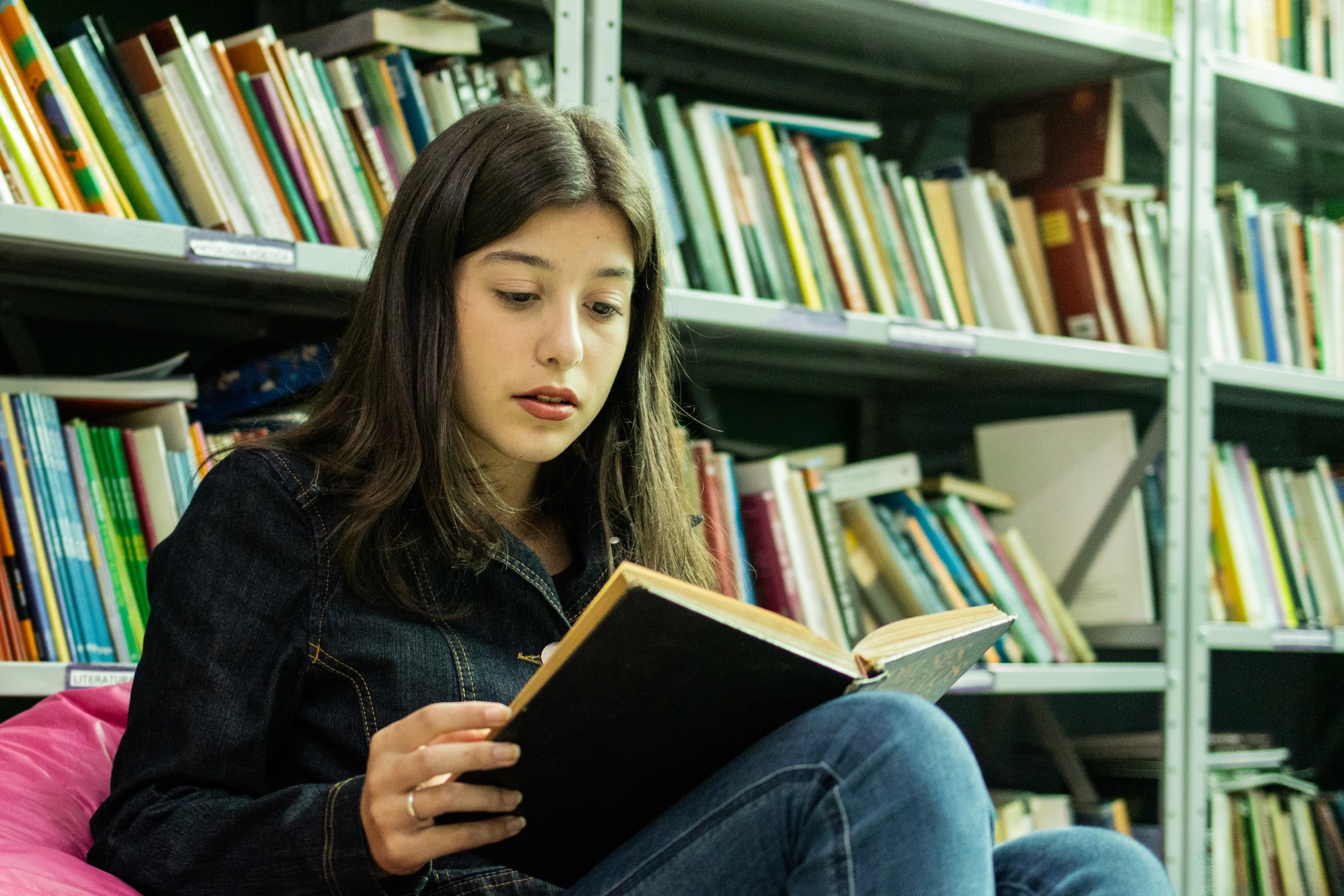
Peru’s geography means that children can grow up in very different educational environments, from communities in the Andes to settlements throughout the Amazon. The Library Project supports rural schools and community centers by establishing Reading Rooms and Reading Corners that give children welcoming places to discover books and spend more time reading.
Book Donations strengthen collections already available within schools and communities, while Literacy Programs help children move beyond simply having access to books and develop stronger reading and comprehension skills. Training & Support helps teachers and community educators reinforce literacy through their daily work with children.
Our Capacity Building work focuses on strengthening local nonprofit organizations that understand the communities they serve. Through practical organizational and program support, we help these organizations develop stronger, more sustainable approaches to improving children’s literacy.
Literacy in Peru
Peru continues to face substantial learning challenges despite long-term improvements in school access. In PISA 2025, only 42 percent of 15-year-old students reached at least the baseline level of reading proficiency, compared with an OECD average of 69 percent. Reading performance declined from 2022 and returned to approximately the level observed in 2015.
The challenge is particularly important in rural communities. UNICEF reports deep learning disparities according to geography and socioeconomic circumstances. In its analysis of Peru’s 2022 national assessment, UNICEF found markedly weaker outcomes among students completing primary school in rural areas than among students in urban schools. UNICEF identifies improving access to learning-recovery programs and providing greater support to teachers as important responses to these gaps.
Language also matters. Peru is home to more than 40 Indigenous languages, and roughly one million school-age children speak an Indigenous language at home. For many, Spanish is a second language, making culturally and linguistically appropriate literacy materials and instruction especially important. Peru has consequently expanded bilingual assessment and intercultural education for Indigenous learners.
The Library Project contributes by increasing access to books and reading spaces in rural communities, providing Literacy Programs, strengthening teachers and community educators through Training & Support, and supporting locally led literacy organizations.
Peru
Our Work:
- Libraries
- Literacy
- Training & Support
- Capacity Building
Support Children's Literacy Today.
Millions of children attend schools without libraries or access to quality books.
Chile
Where We Work
Our goal is to ensure every child, no matter where they live, has the opportunity to read, learn, and grow.
Our Work in Chile
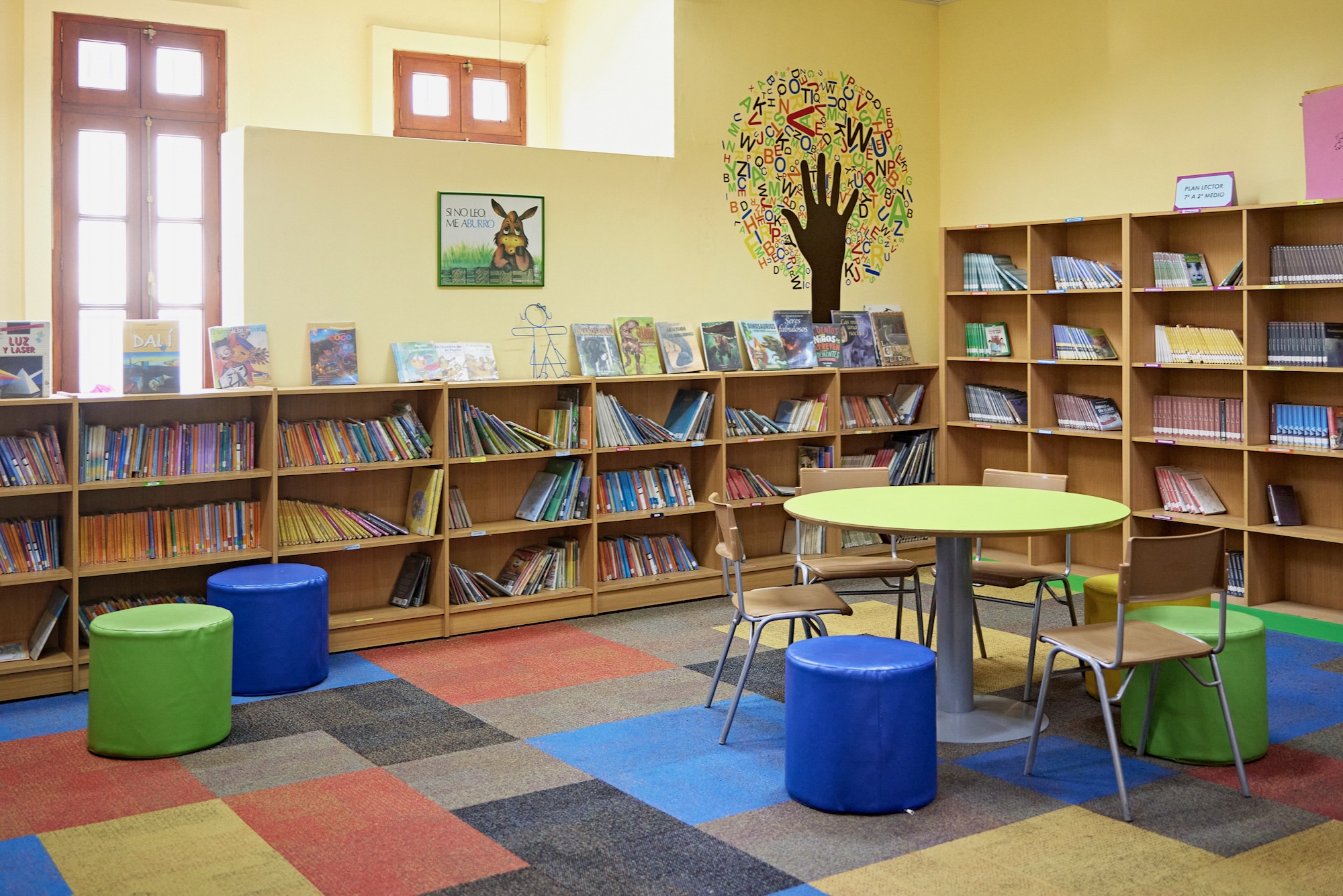
In Chile, The Library Project works with rural schools and community centers to make books and reading a more accessible part of children’s everyday lives. Reading Rooms provide dedicated spaces for children to explore books, while Reading Corners place age-appropriate reading materials directly in classrooms and other learning environments. Book Donations help schools and community centers expand and refresh their existing collections.
Our Literacy Programs build on this access by giving children opportunities to strengthen reading skills, comprehension, and confidence. Through Training & Support, we work with educators and community-based partners to help them use books effectively and create environments that encourage children to read regularly.
We also provide Capacity Building for local literacy nonprofit organizations. By strengthening program development, organizational planning, fundraising, and other core capacities, we help locally led organizations increase the effectiveness and sustainability of their work with children and communities.
Literacy in Chile
Chile has broad access to education, but significant reading challenges remain. According to the newly released PISA 2025 results, 62 percent of Chilean 15-year-olds reached at least the baseline level of reading proficiency, meaning approximately 38 percent did not. Reading performance also declined between 2022 and 2025 and is now significantly below the levels recorded in 2015 and 2018.
National averages also mask substantial inequality. UNICEF’s 2025 analysis found that among fourth-grade students from lower socioeconomic backgrounds, 44.1 percent demonstrated insufficient performance in reading, compared with just 10.8 percent among students from higher-income backgrounds. UNICEF also identifies territorial disparities and disadvantages affecting Indigenous children, particularly those living in rural communities where access to infrastructure and connectivity can be more limited.
These differences demonstrate why access to books must be accompanied by opportunities to use them, strong literacy instruction, and support for the adults and organizations working with children. The Library Project responds by creating reading spaces, providing books and Literacy Programs, strengthening educators through Training & Support, and investing in local organizations through Capacity Building.
Chile
Our Work:
- Libraries
- Literacy
- Training & Support
- Capacity Building
Support Children's Literacy Today.
Millions of children attend schools without libraries or access to quality books.
Ghana
Where We Work
Our goal is to ensure every child, no matter where they live, has the opportunity to read, learn, and grow.
Our Work in Ghana
In Ghana, The Library Project helps rural schools and community centers create environments where children have more opportunities to read. Through Reading Rooms and Reading Corners, we provide dedicated and accessible spaces filled with age-appropriate books. Book Donations help strengthen existing collections and give children a wider variety of stories and subjects to explore.
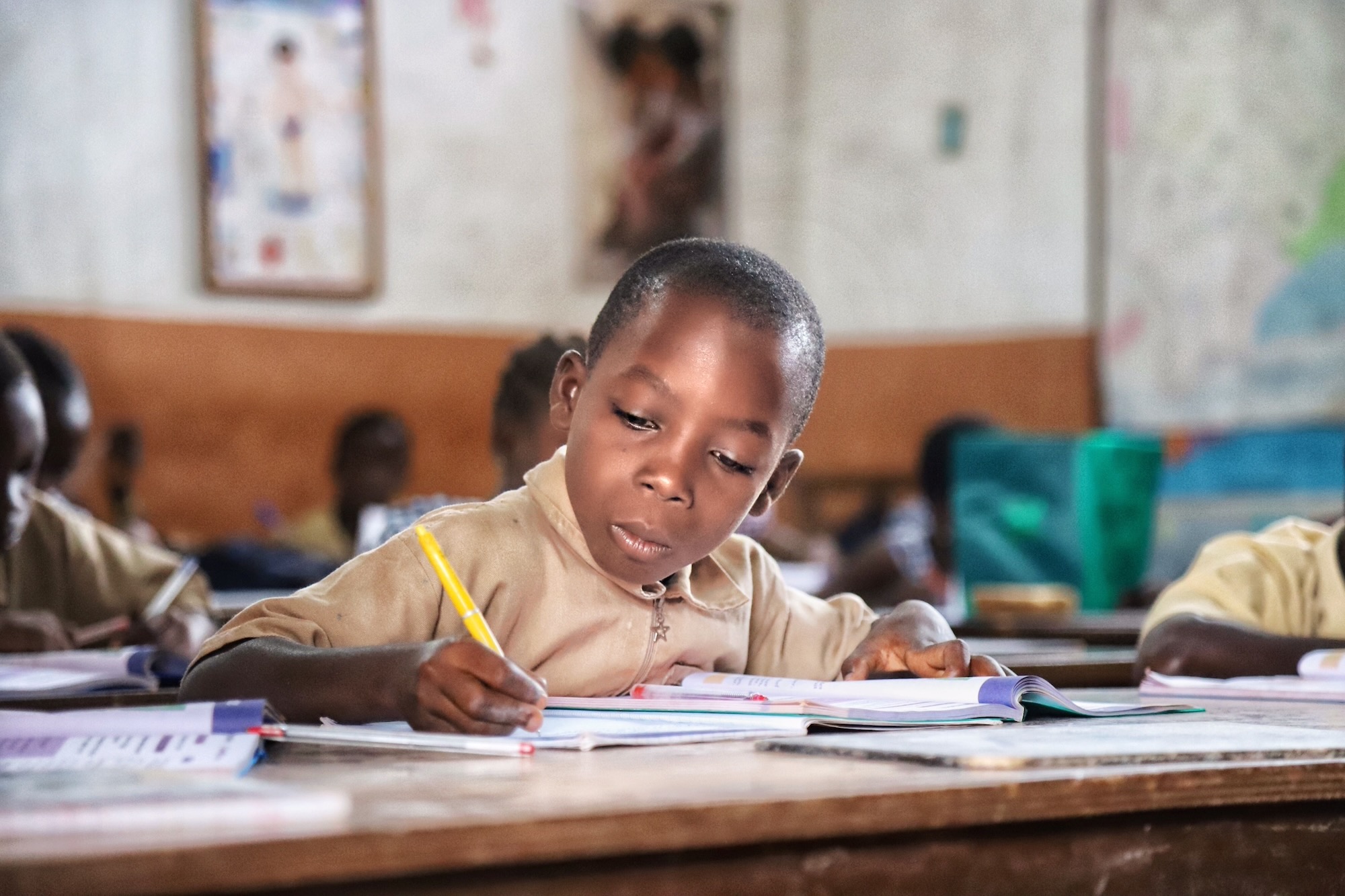
Access to books is most effective when children are encouraged and supported to use them. Our Literacy Programs help children develop stronger reading skills and build confidence as readers, while Training & Support equips educators and community partners with practical approaches for making reading an active part of children’s learning.
We also provide Capacity Building to local literacy nonprofit organizations working in Ghana. Through mentoring, practical tools, program development, fundraising guidance, and other organizational support, we help local partners strengthen their programs and expand sustainable literacy opportunities within the communities they serve.
Literacy in Ghana
Ghana has made considerable progress in expanding access to education, but learning outcomes have not improved at the same pace. UNICEF reported in 2024 that approximately 80 percent of children in Ghana still do not acquire basic literacy and numeracy skills by the end of primary school, making foundational learning a major national education priority.
Earlier nationally representative household assessment data illustrate the scale of the reading challenge. Ghana’s 2017–18 Multiple Indicator Cluster Survey found that 79 percent of children ages 7 to 14 did not demonstrate foundational reading skills expected in the early primary grades. Among children who lacked those skills, 64 percent lived in rural areas, and more than half came from the country’s two lowest wealth quintiles.
These inequalities remain important today. UNICEF’s 2026 Situation Analysis of Children and Adolescents in Ghana identifies persistent disparities that continue to leave poor, rural, and marginalized children behind. UNICEF also notes that Ghana’s schools face challenges, including large classes, multilingual learners, limited resources, and gaps in sustained teacher professional development.
Strengthening literacy, therefore, requires more than getting children into school. Regular access to engaging books, opportunities to practice reading, effective instruction, and continued support for teachers and local organizations can all help children develop the foundational skills on which future learning depends. The Library Project supports these efforts through Reading Rooms, Reading Corners, Book Donations, Literacy Programs, Training & Support, and Capacity Building.
Ghana
Our Work:
- Libraries
- Literacy
- Training & Support
- Capacity Building
Support Children's Literacy Today.
Millions of children attend schools without libraries or access to quality books.
Malawi
Where We Work
Our goal is to ensure every child, no matter where they live, has the opportunity to read, learn, and grow.
Our Work in Malawi
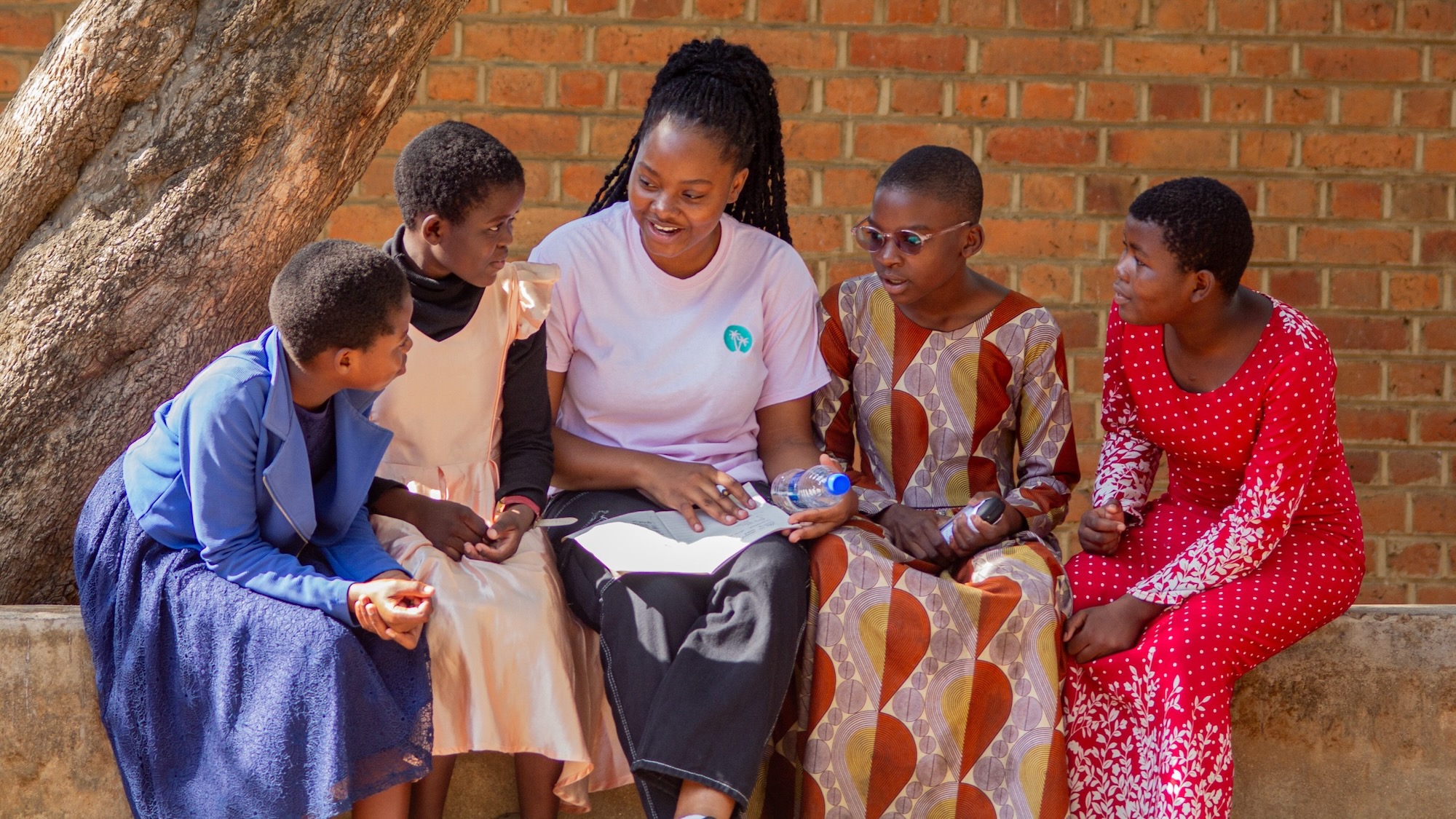
For children in rural communities, having books close at hand can make reading a more regular part of everyday life. In Malawi, The Library Project establishes Reading Rooms that create dedicated spaces for reading and Reading Corners that place books directly where children learn. We also provide Book Donations to schools and community centers that need additional high-quality reading materials.
Our work extends beyond providing books. Literacy Programs give children structured opportunities to develop and practice their reading skills, while Training & Support helps teachers and community-based educators make better use of books, strengthen literacy instruction, and encourage children to become active readers.
We also invest in the organizations already working within Malawian communities. Through Capacity Building, local literacy nonprofits can receive free mentoring, organizational and program-development support, fundraising guidance, and practical resources. This locally led approach helps strengthen the people and organizations that will continue supporting children’s literacy over the long term.
Literacy in Malawi
Malawi faces a significant foundational learning challenge. Nationally representative data show that only 19 percent of children ages 7 to 14 demonstrate foundational reading skills in either Chichewa or English. Among younger children ages 7 and 8, just 14 percent can read a short story at the expected level, while only 11 percent can correctly answer literal comprehension questions and 9 percent can answer inferential questions. These figures continue to be cited in UNICEF’s recent education reporting and Malawi’s 2024/25 education budget analysis.
Children’s opportunities to learn also differ substantially according to where they live. Malawi’s Multiple Indicator Cluster Survey found foundational reading skills among 17 percent of rural children compared with 33 percent of urban children. Children from the poorest households were also far less likely to demonstrate foundational reading skills than children from the wealthiest households—12 percent compared with 33 percent.
Remaining in school presents another challenge. While primary-school enrollment is high, UNICEF reports a primary completion rate of only 33 percent nationally. The divide is especially pronounced geographically: approximately 27 percent of rural children complete primary school compared with 65 percent of urban children. Completion falls to just 11 percent among children from the poorest households.
Schools must also manage significant resource constraints. In 2025, Malawi’s Ministry of Education estimated that 3.4 million primary-school learners lacked desks, one indication of the difficult learning environments faced by many schools. Limited infrastructure and learning resources can make it even harder for children to develop the reading skills they need to progress through school.
Expanding access to books and welcoming reading spaces, providing regular opportunities to practice literacy, and strengthening the educators and organizations supporting children can help address these barriers. The Library Project contributes through Reading Rooms, Reading Corners, Book Donations, Literacy Programs, Training & Support, and Capacity Building.
Malawi
Our Work:
- Libraries
- Literacy
- Training & Support
- Capacity Building
Support Children's Literacy Today.
Millions of children attend schools without libraries or access to quality books.
Timor-Leste
Where We Work
Our goal is to ensure every child, no matter where they live, has the opportunity to read, learn, and grow.
Our Work in Timor-Leste
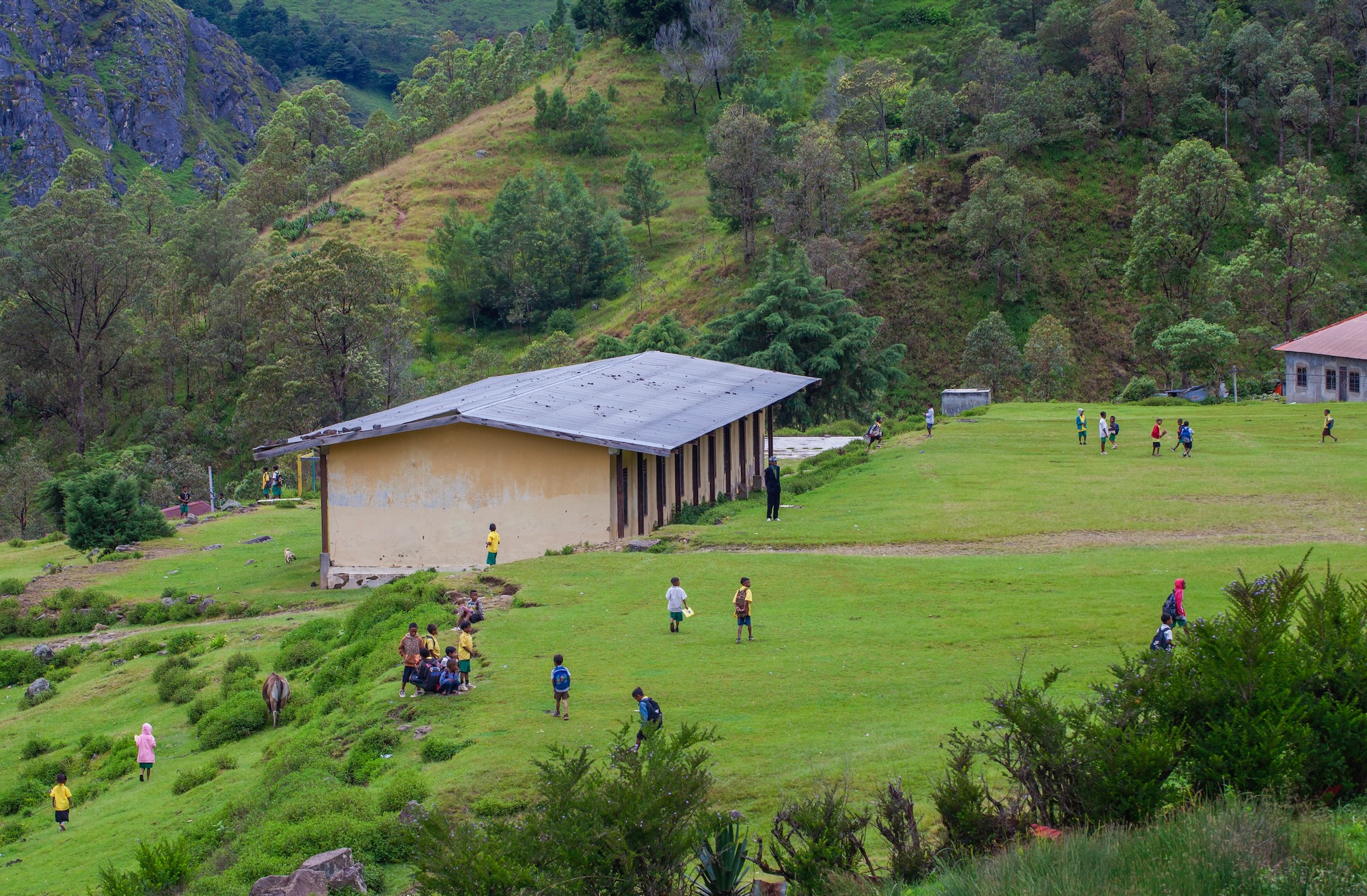
In Timor-Leste, The Library Project provides Reading Rooms, Reading Corners, Book Donations, and Literacy Programs to rural schools and community centers. These programs expand access to age-appropriate books and welcoming reading spaces while helping children strengthen the literacy skills they need to succeed in school.
Our Reading Rooms create dedicated spaces where children can explore books and develop regular reading habits. Reading Corners bring books directly into classrooms and other learning spaces, while Book Donations strengthen existing collections. Our Literacy Programs create additional opportunities for children to practice reading and build confidence, while Training & Support helps educators and community-based partners strengthen literacy programming.
The Library Project also provides Capacity Building for local literacy nonprofit organizations in Timor-Leste. This support is free of charge and may include one-on-one mentoring, planning tools, fundraising guidance, program development support, and access to practical resources. By strengthening local organizations, we help build long-term, community-led literacy impact.
Literacy in Timor-Leste
Timor-Leste has made significant progress rebuilding and expanding its education system since independence, but many children still struggle to develop strong foundational reading skills. UNICEF reports that approximately 70 percent of Grade 1 students do not meet basic learning outcomes, while a World Bank review of early-grade assessments found that more than 70 percent of Grade 1 students scored zero on measures of text reading, fluency, and comprehension.
Children in rural communities face additional challenges. UNICEF identifies limited facilities, learning resources, repetition, dropout, and language diversity as continuing barriers to quality education, with children in rural areas disproportionately affected. National data also show that while 90 percent of primary-school-age children attend school, only 54 percent of lower-secondary-age children do so, illustrating how participation declines as children grow older.
Language presents another important challenge to learning. Timor-Leste has more than 20 local languages in addition to the official languages of Tetun and Portuguese. UNESCO and UNICEF report that more than 70 percent of children enter school without fluency in the official languages, making it more difficult for many students to understand classroom instruction and develop early literacy skills.
Access to books and appropriate learning materials can help create stronger environments for literacy development, particularly in rural communities. The Library Project’s work in Timor-Leste responds to these needs by expanding access to books and reading spaces, supporting Literacy Programs, strengthening educators and community partners through Training & Support, and building the capacity of local literacy nonprofit organizations.
Timor-Leste
Our Work:
- Libraries
- Literacy
- Training & Support
- Capacity Building