

The Library Project supports rural and marginalized children and youth through libraries, literacy programs, remedial reading, training and support, and local nonprofit capacity building.
Where We Work
Our goal is to ensure every child, no matter where they live, has the opportunity to read, learn, and grow.
Our Work in Indonesia
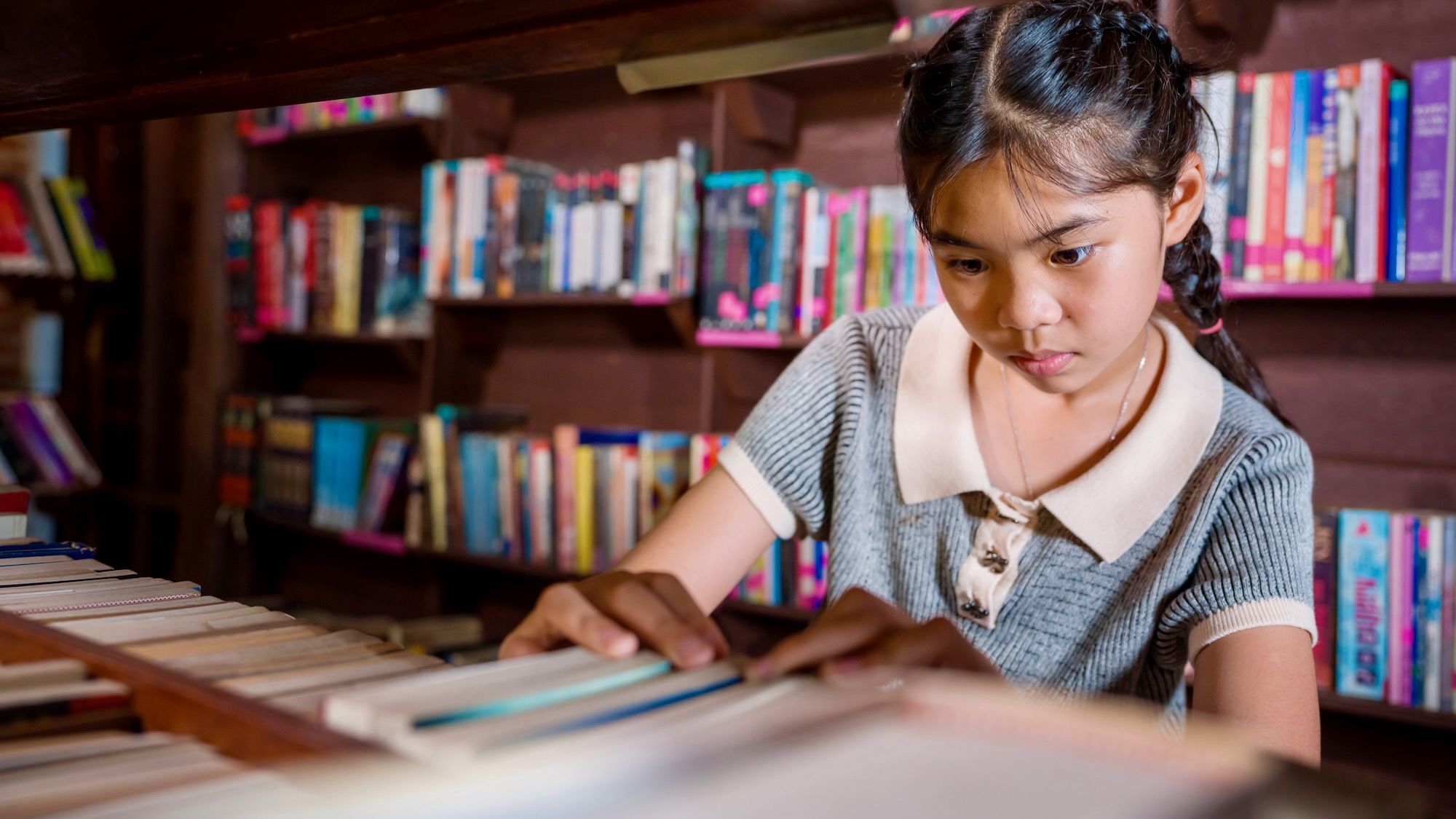
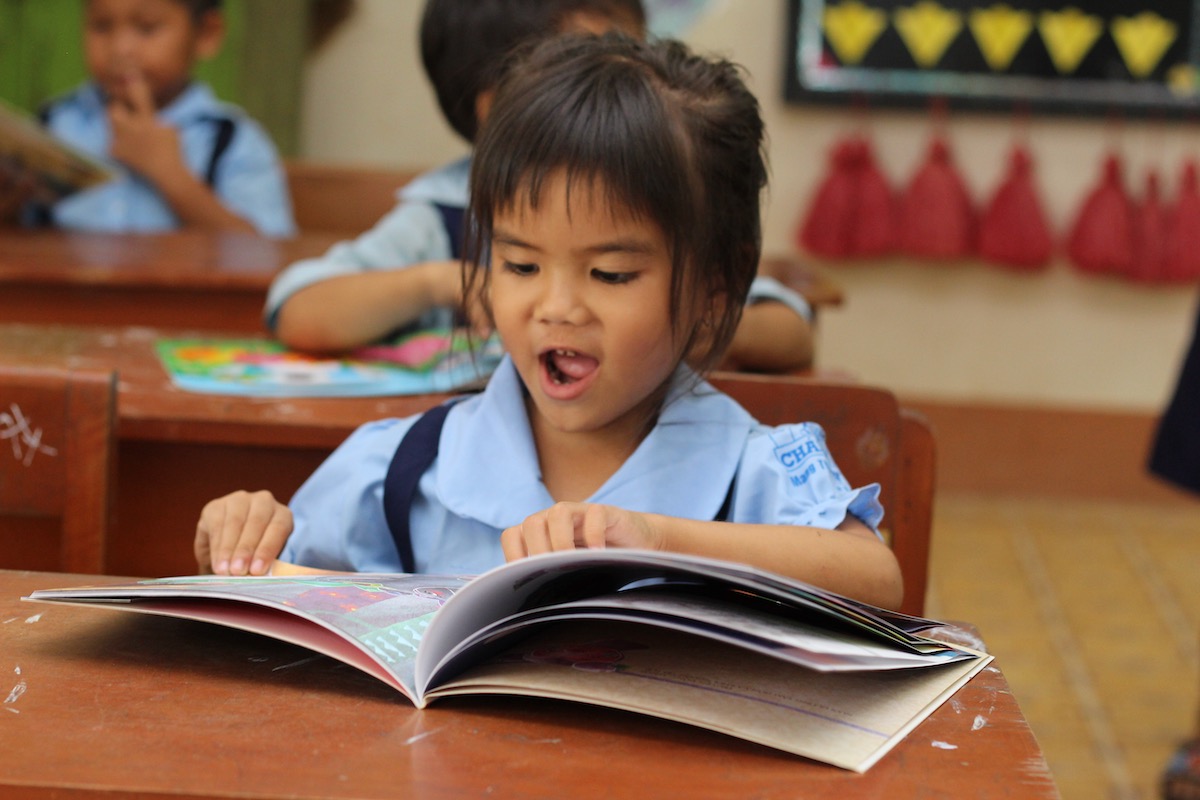
In Indonesia, The Library Project provides free Reading Rooms, Reading Corners, Book Donations, and Literacy Programs to rural schools and community centers. These programs increase access to age-appropriate books and reading spaces while helping children develop stronger literacy skills and reading habits.
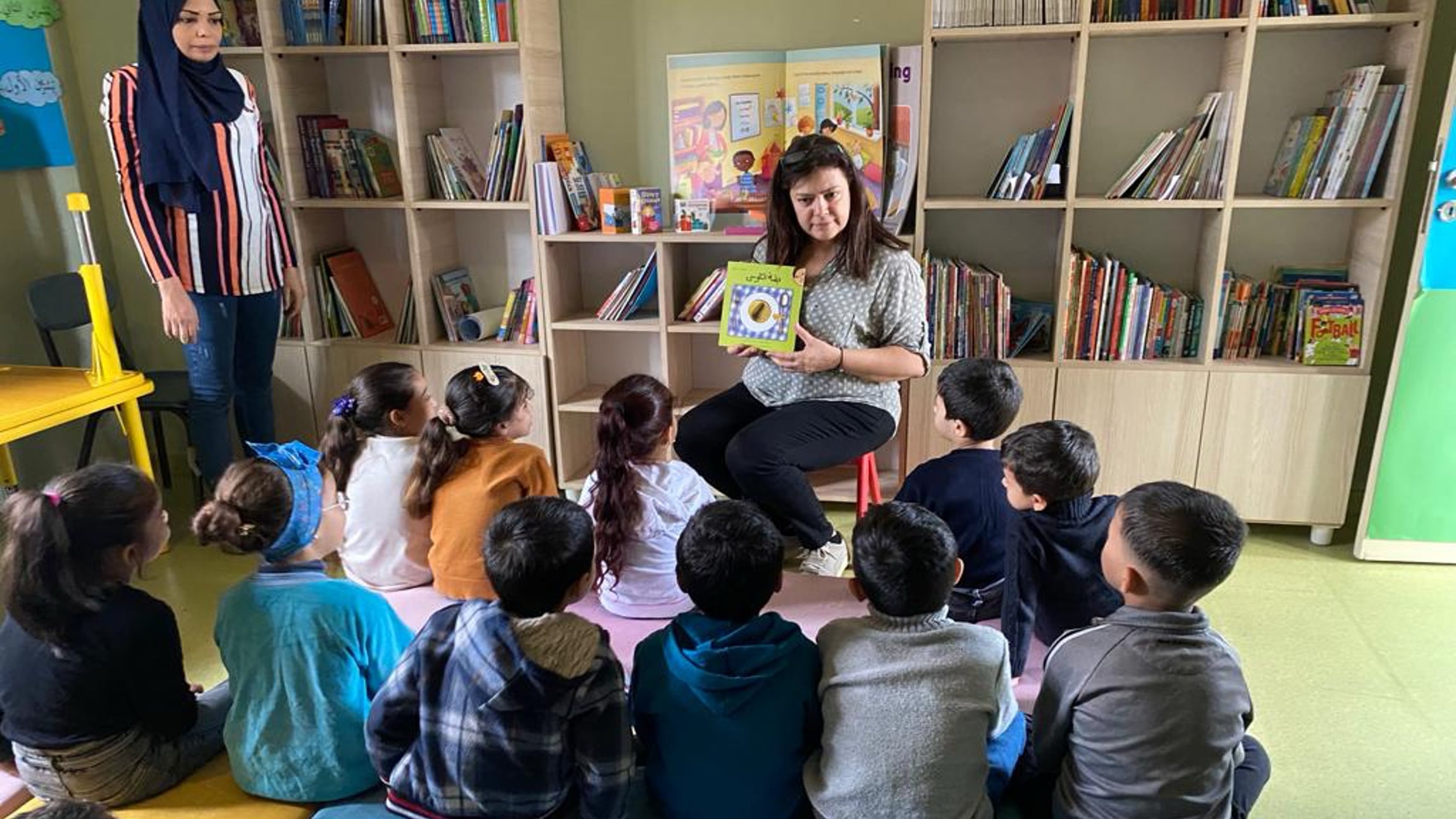
We also provide Remedial Reading Lessons for marginalized children and youth who need additional support in developing foundational reading skills. Training & Support helps educators and community-based partners strengthen literacy programming and create more effective opportunities for children to read and learn.
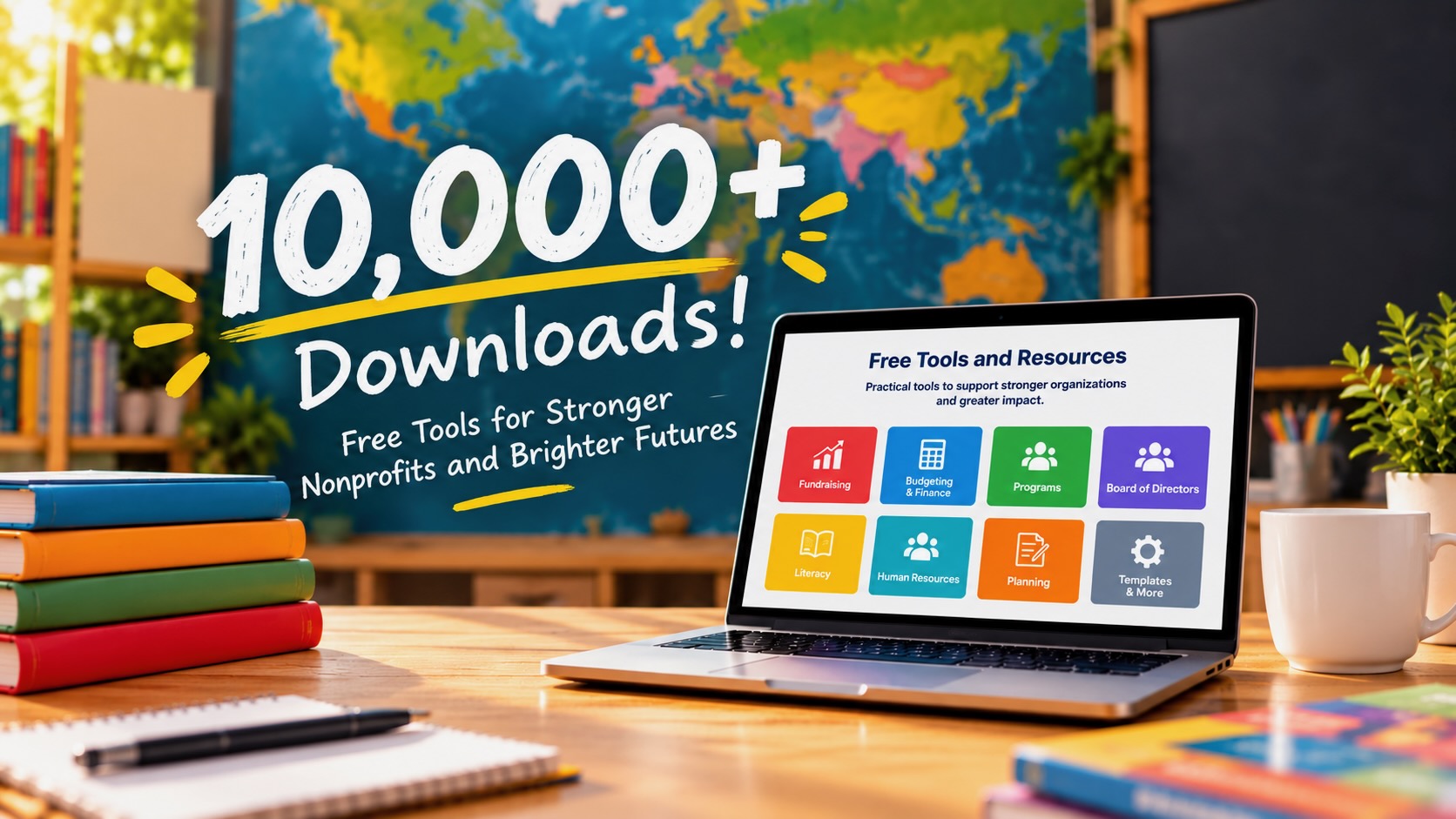
The Library Project also provides Capacity Building for local literacy nonprofit organizations in Indonesia. This support is free of charge and may include one-on-one mentoring, planning tools, fundraising guidance, program development support, and access to practical resources. By strengthening local organizations, we help build long-term, community-led literacy impact.
Literacy in Indonesia
Indonesia has made substantial progress in expanding access to education, but many children continue to struggle with reading. The World Bank and UNESCO Institute for Statistics estimate that 53 percent of children at late-primary age are not proficient in reading, after adjusting for children who are out of school. The estimate is based on the latest internationally comparable data available before the COVID-19 school closures.
More recent international assessment results point to continuing challenges among older students. In PISA 2022, only 25 percent of Indonesian 15-year-olds reached at least the baseline level of proficiency in reading. At this level, students should be able to identify the main idea in a moderately long text, locate information, and reflect on a text’s purpose and form.
The challenges can be particularly severe in rural and remote communities. UNICEF research in targeted districts of the Papua provinces found that between 12 and 69 percent of Grade 3 students were non-readers before literacy interventions were introduced. More broadly, UNICEF reports that around 4.3 million Indonesian children and adolescents ages 7 to 18 remain out of school, with poor children, children with disabilities, and those living in less-developed parts of the country at greatest risk of exclusion.
The Library Project’s work in Indonesia responds to these needs by expanding access to books and reading spaces in rural communities, providing Literacy Programs and Remedial Reading Lessons, strengthening educators through Training & Support, and building the capacity of local literacy nonprofit organizations.
Indonesia
Our Work:
- Libraries
- Literacy
- Training & Support
- Capacity Building