

The Library Project supports rural schools and community centers in Kenya by increasing access to books, strengthening children's literacy, and investing in the educators and organizations that make reading possible.
Where We Work
Our goal is to ensure every child, no matter where they live, has the opportunity to read, learn, and grow.
Our Work in Kenya
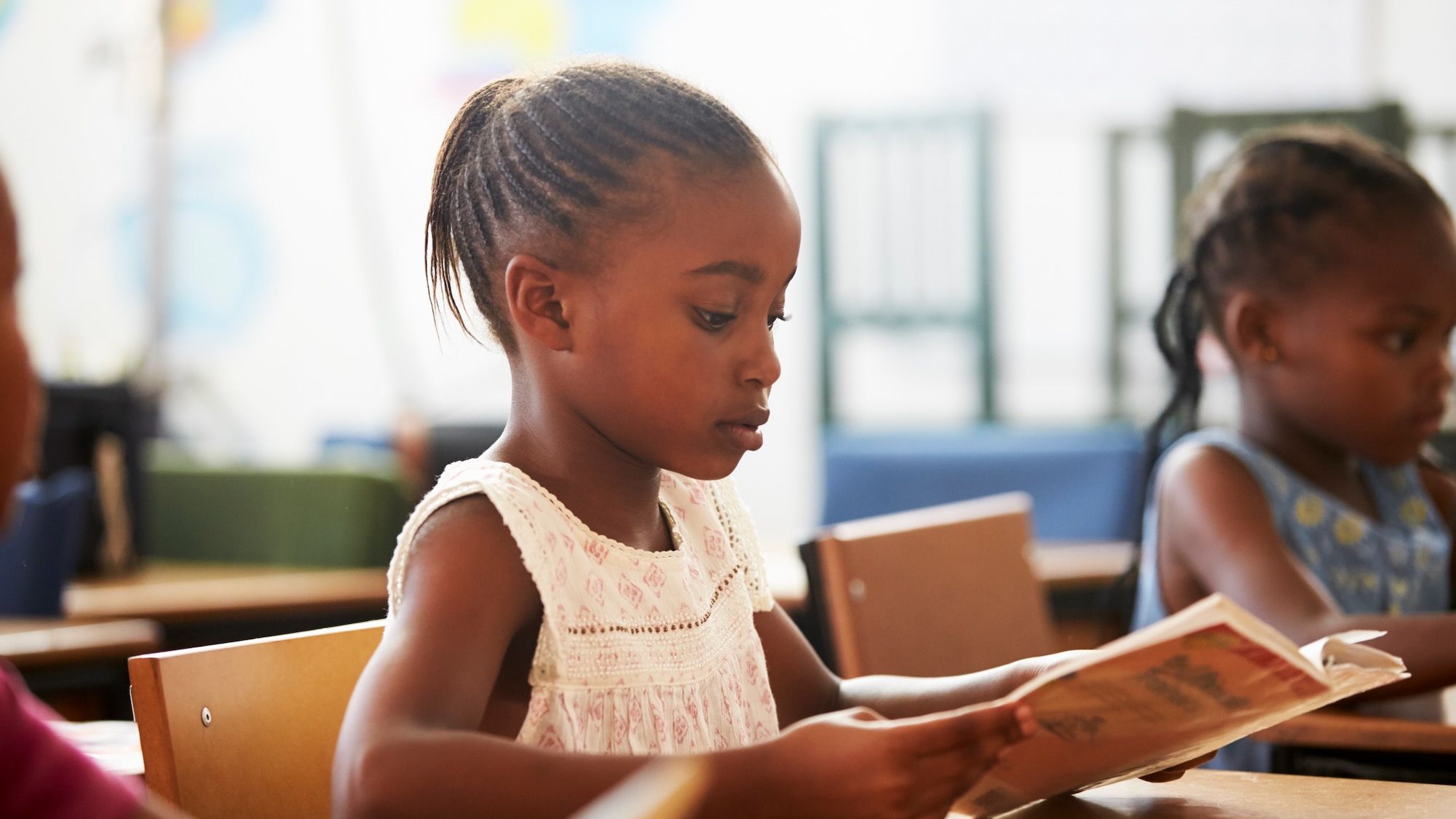
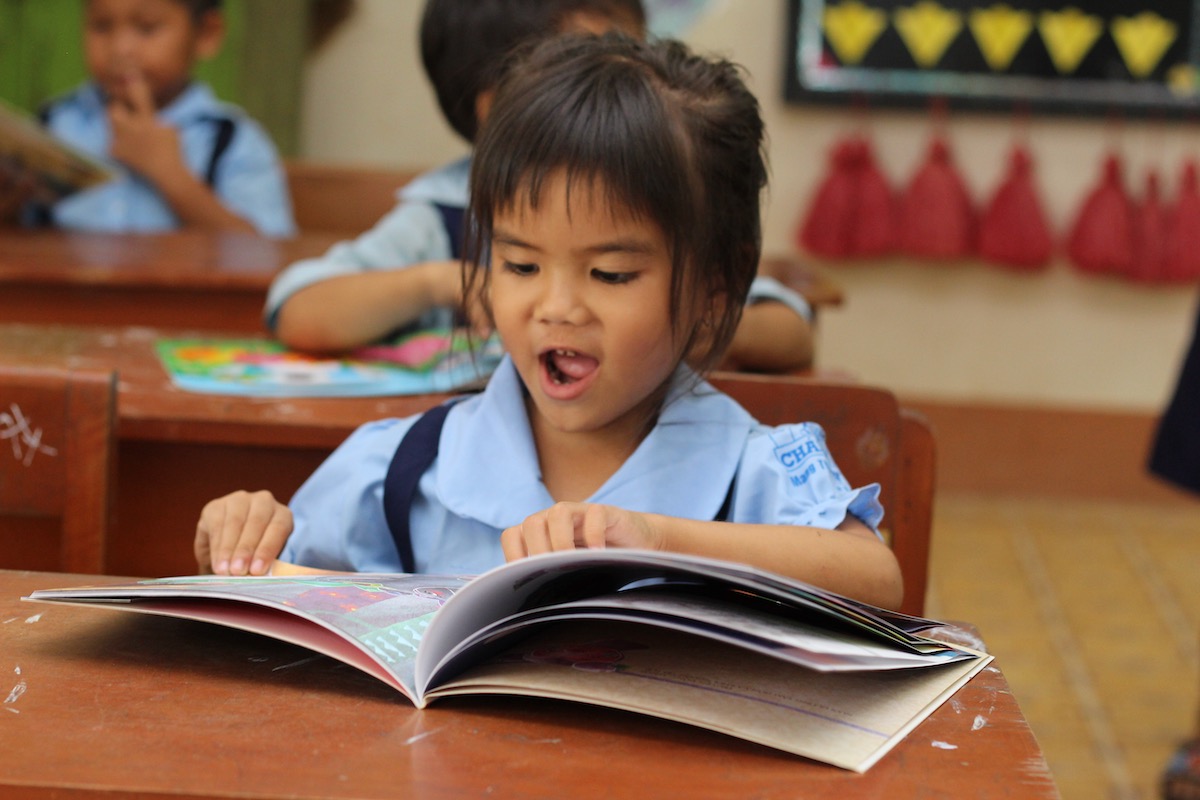
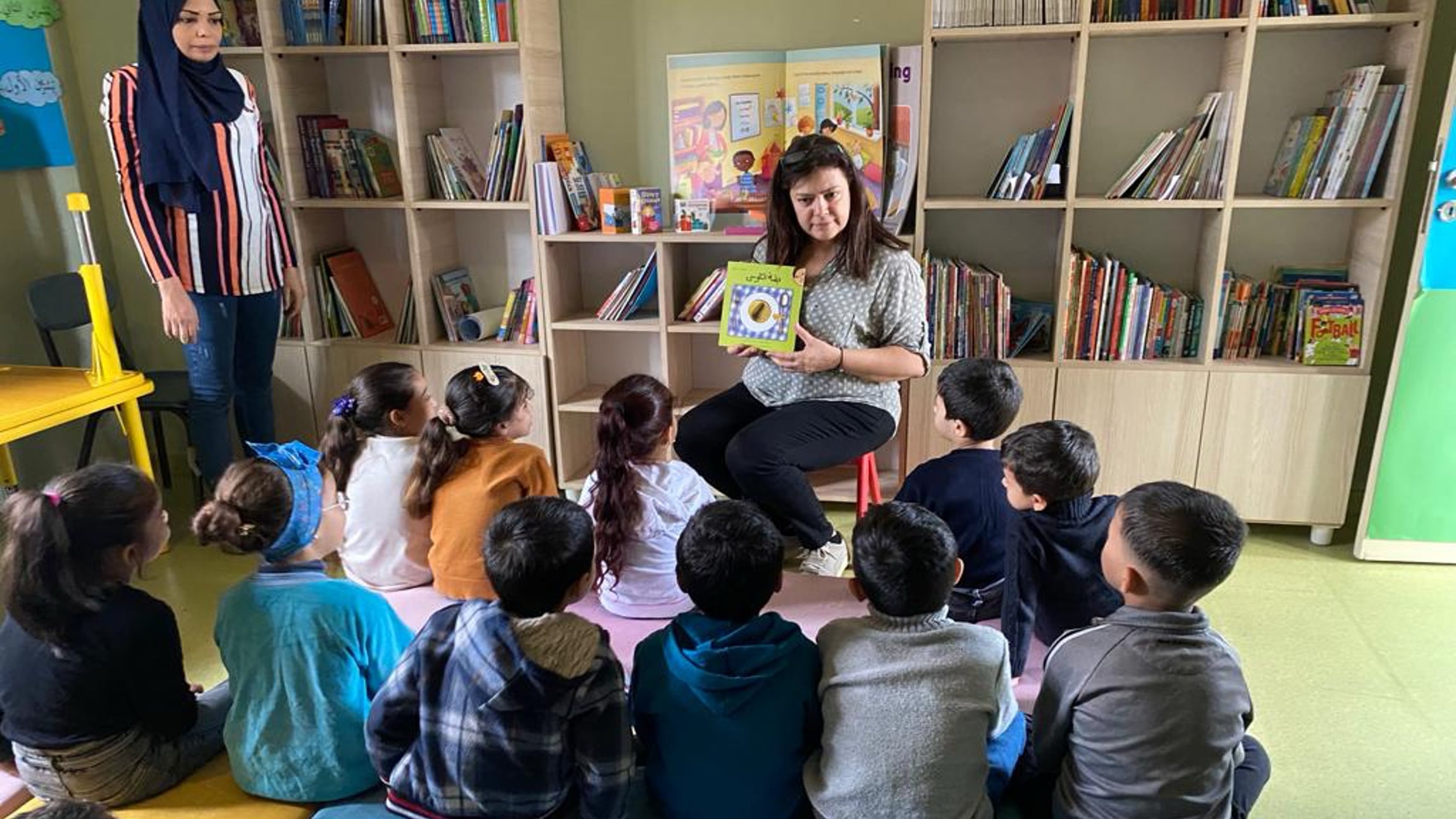
In Kenya, The Library Project helps create places where children can encounter books regularly and develop a stronger connection to reading. Reading Rooms provide dedicated spaces for children to read and learn, while Reading Corners bring books directly into classrooms and community settings. Book Donations help expand existing collections so children have access to a greater variety of age-appropriate reading materials.
Our work also focuses on what happens once those books reach children. Literacy Programs provide opportunities to practice reading, strengthen comprehension, and build confidence. Through Training & Support, teachers, educators, and community partners gain practical tools for using books effectively and creating environments where literacy can develop over time.
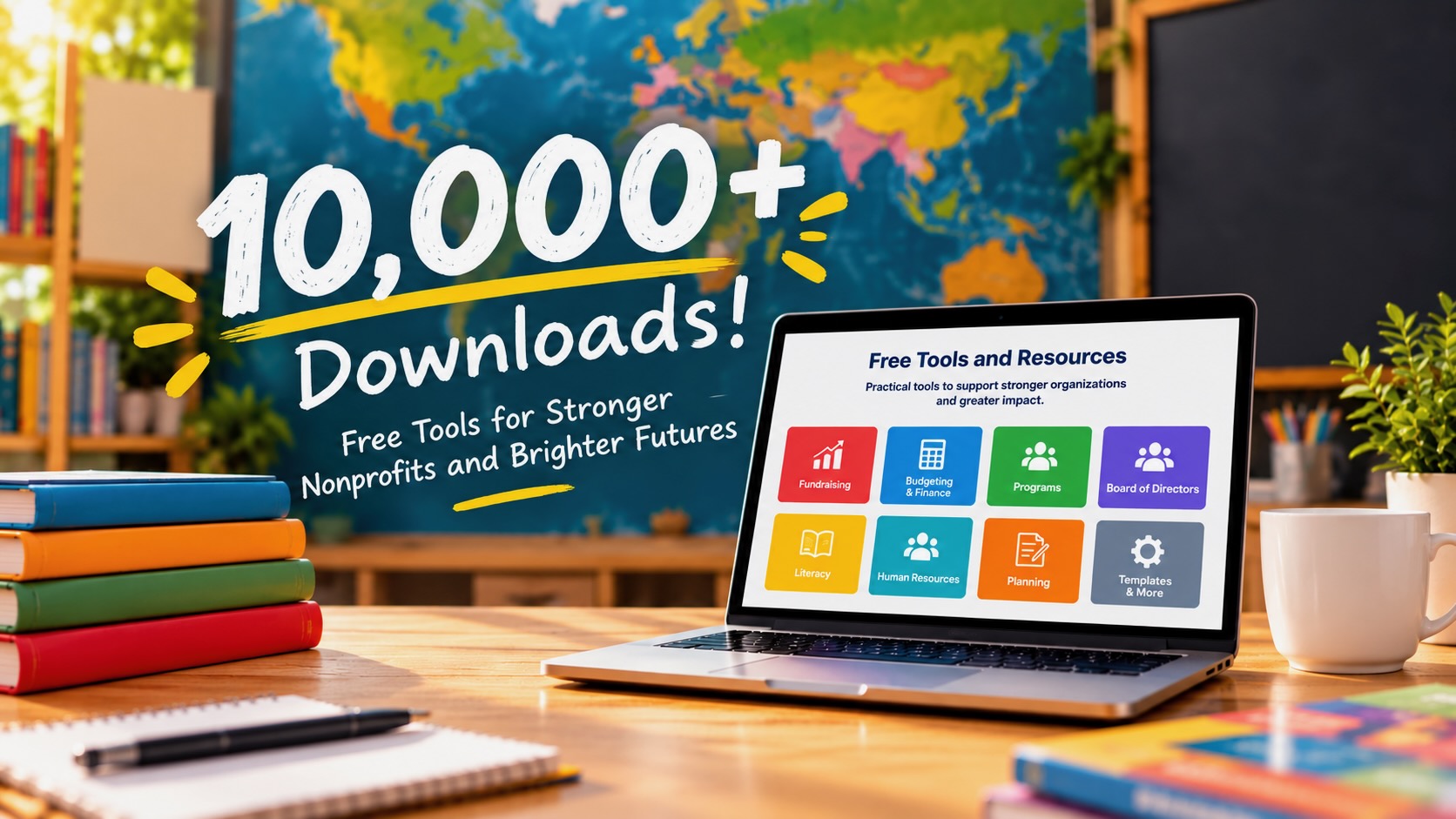
Strong local organizations are essential to sustaining this work. Through Capacity Building, The Library Project provides free mentoring, program-development support, fundraising guidance, planning tools, and other practical resources to literacy nonprofits in Kenya. This approach strengthens organizations already rooted in their communities and helps them expand their long-term impact.
Literacy in Kenya
In Kenya, children enter school eager to learn, but face significant barriers that prevent them from becoming confident readers. According to the 2023 Flana report, 3 in 10 Grade 6 learners and 2 in 10 Grade 8 learners cannot read at a Grade 3 level in English. Challenges include under-resourced classrooms, frequent language transitions between the mother tongue and English, and limited access to age-appropriate books. These factors contribute to a learning gap that often follows students into higher grades and beyond. Compounding the problem, only 23% of public primary schools in Kenya have libraries, with rural and peri-urban schools being the most disadvantaged.
With the transition to the Competency-Based Education (CBE) curriculum, literacy is increasingly recognized as a foundational life skill that can be developed through practical, engaging, and learner-centered activities. CBE shifts learning away from rote memorization toward fostering competencies such as problem-solving, creativity, and critical thinking—skills that are best nurtured through a love of reading. These competencies align with the vision of Education for Sustainable Development (ESD), which positions education as a key driver of a fair, inclusive, and sustainable world.
Our programs directly address these issues by donating quality storybooks, establishing school libraries, distributing Literacy Bags, and providing training to educators and parents. Through these efforts, we aim to support children both in school and at home, enabling them to develop foundational reading skills, feel confident in their learning, and thrive in their educational journey.
Kenya
Our Work:
- Libraries
- Literacy Programs
- Training & Support
- Capacity Building